
Carnival in Adeje 2026: Dates, Events, Traditions & Local Tips

Carnival in Adeje is more than a festive break from routine. It is a cultural moment that blends history, creativity, and community spirit into several unforgettable days. While many visitors associate Tenerife’s carnival with large parades and international attention, Adeje offers a different experience—one that feels closer, more personal, and deeply connected to local identity.
As 2026 approaches, interest in Carnival in Adeje is already growing. Residents prepare months in advance, neighborhoods organize their own celebrations, and families pass down traditions that have survived generations. Whether you live in Adeje, plan to visit, or simply want to understand what makes this celebration special, this guide explores everything you need to know—from dates and events to customs and practical local advice.
What Is Carnival in Adeje?
Carnival in Adeje is part of a wider Canarian tradition that predates modern tourism. Rooted in pre-Lenten celebrations, carnival historically allowed people to express themselves freely through costume, satire, music, and dance. Over time, Adeje developed its own way of celebrating—less focused on spectacle and more centered on community participation.
Unlike larger urban carnivals, Adeje’s celebration maintains a strong neighborhood feel. Schools, cultural groups, and local associations play an essential role. Costumes are often handmade, music is performed live, and events are designed to welcome all ages.
For locals, carnival is not just entertainment. It is a period when social barriers soften, creativity is encouraged, and shared identity is reinforced.
When Is Carnival Coming to Adeje in 2026?
Carnival dates in Adeje usually align with the broader Tenerife carnival calendar, which follows the liturgical calendar leading up to Lent. While exact dates are confirmed by local authorities closer to the event, Carnival in Adeje 2026 is expected to take place between February and early March.
Typical Carnival Timeline
Although schedules vary slightly each year, carnival in Adeje usually follows this structure:
- Opening events: Late January or early February
- Main celebration week: Mid to late February
- Final events and closing acts: Early March
Local announcements, municipal notices, and cultural centers publish confirmed dates once planning is finalized.
Main Carnival Events in Adeje
Carnival events in Adeje are designed to be accessible, inclusive, and enjoyable for both residents and visitors. While the scale is smaller than in capital cities, the atmosphere is often more relaxed and welcoming.
Carnival Parades
Parades feature:
- Local dance groups
- School ensembles
- Costume designers
- Live musicians
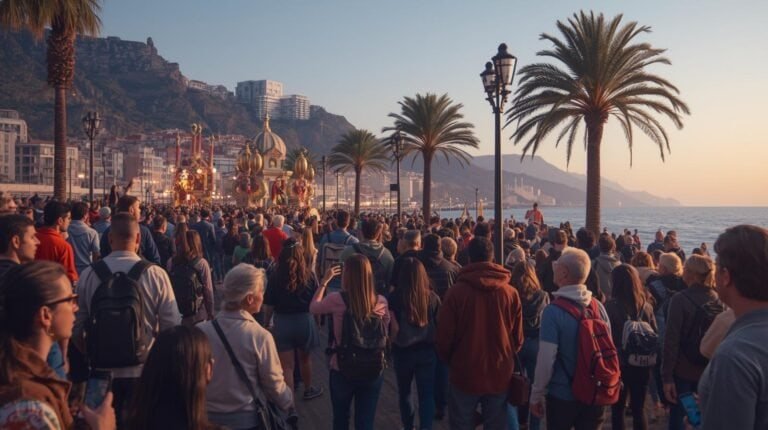
Routes typically pass through central areas, allowing spectators to join in rather than just observe.
Costume Contests
Competitions are held for:
- Children
- Adults
- Groups and families
Originality is valued more than extravagance, encouraging creativity rather than expense.
Music and Dance Nights
Evenings are dedicated to live performances featuring:
- Traditional Canarian rhythms
- Latin influences
- Contemporary music
Dancing is informal and open—no tickets, no barriers.
Family-Friendly Carnival Celebrations
One of the defining characteristics of carnival in Adeje is its strong family orientation. Many events are designed specifically for children and older residents, making carnival a multi-generational celebration.
Family-focused activities include:
- Daytime parades
- Costume workshops for children
- Games and storytelling sessions
- Early evening performances
This inclusive approach ensures carnival remains a shared cultural experience rather than a nightlife-only event.
How Locals Prepare for Carnival
Preparation begins long before the first parade. For many families, carnival planning is a tradition in itself.
Costume Creation
Rather than buying ready-made costumes, locals often:
- Design outfits at home
- Reuse materials from previous years
- Collaborate with neighbors or relatives
This process reinforces creativity and sustainability.
Community Rehearsals
Dance groups and musical ensembles rehearse weekly in:
- Cultural centers
- Schools
- Public spaces
Rehearsals are often open, allowing others to watch and join.
Traditional Elements of Carnival in Adeje
While modern influences are visible, traditional elements remain central to Adeje’s carnival.
Satire and Humor
Costumes and performances often reflect:
- Social commentary
- Political humor
- Everyday life in Adeje
This playful critique has historical roots in carnival traditions across the Canary Islands.
Music and Rhythm
Drums, whistles, and percussion instruments dominate, creating a festive rhythm that carries through streets and plazas.
What Makes Carnival in Adeje Unique
Several factors distinguish carnival in Adeje from larger celebrations elsewhere:
- Community-driven organization rather than commercial promotion
- Strong local participation across all age groups
- Accessible events with free entry
- Authentic atmosphere that feels personal rather than staged
Visitors often comment that carnival in Adeje feels more genuine and less overwhelming.
If you plan to experience carnival in Adeje, a few local tips can enhance your visit:
- Arrive early for parades to secure a good viewing spot
- Wear comfortable shoes—many streets are pedestrian-only
- Respect local customs and family-oriented events
- Join in costume if possible; participation is encouraged
- Check municipal schedules for last-minute changes
Carnival is not just a celebration; it is a reflection of Adeje’s resilience and adaptability. Through history, carnival has survived periods of restriction, economic change, and rapid tourism development. Today, it continues to act as a cultural anchor, reminding residents of shared heritage while welcoming newcomers into the community.
For Adeje, carnival represents:
- Cultural continuity
- Creative freedom
- Social cohesion
It remains one of the most meaningful events in the local calendar.
As Adeje continues to grow, maintaining the balance between tradition and modernity is essential. Local organizers increasingly focus on:
- Sustainable celebrations
- Cultural preservation
- Community involvement
The goal is not to expand carnival endlessly, but to protect its spirit for future generations.
Carnival in Adeje 2026 promises color, music, creativity, and connection. It is a celebration shaped by its people, grounded in history, and open to everyone willing to participate. Whether you are attending your first carnival or continuing a lifelong tradition, Adeje’s celebration offers an experience that feels both joyful and deeply meaningful.