Costa Adeje’s Local Markets (2026 Update)

Updated edition – building on our original 2024 guide, with new context, habits, and local shifts.
There’s a moment that often sneaks up on people in Costa Adeje.
It’s not when they find a favourite café, or when they stop checking the weather app, or even when they learn where to park without stress. It’s when they realise they’re planning their week around a market morning.
Not because they “should”, but because they want to.
Local markets in and around Costa Adeje aren’t tourist attractions dressed up as tradition. They are living systems — shaped by farmers, artisans, families, and increasingly, by people who are staying longer, renting for months, or quietly imagining what life here could look like full-time.
This 2026 update isn’t about reinventing the wheel. The markets are still here, still grounded, still real. But the way people use them has evolved — and that says a lot about how Costa Adeje itself is changing.
If you’ve read our original guide, think of this as a deeper second chapter.
If you’re new, start here — and start early in the morning, if you can.
Why Local Markets Matter More in 2026
In recent years, Costa Adeje has seen a subtle but important shift.
More long-stay visitors.
More remote workers.
More second-home owners doing “test runs” of real life.
And with that, a renewed appreciation for markets over supermarkets, conversations over convenience, and food with a face behind it.
Markets now play three roles at once:
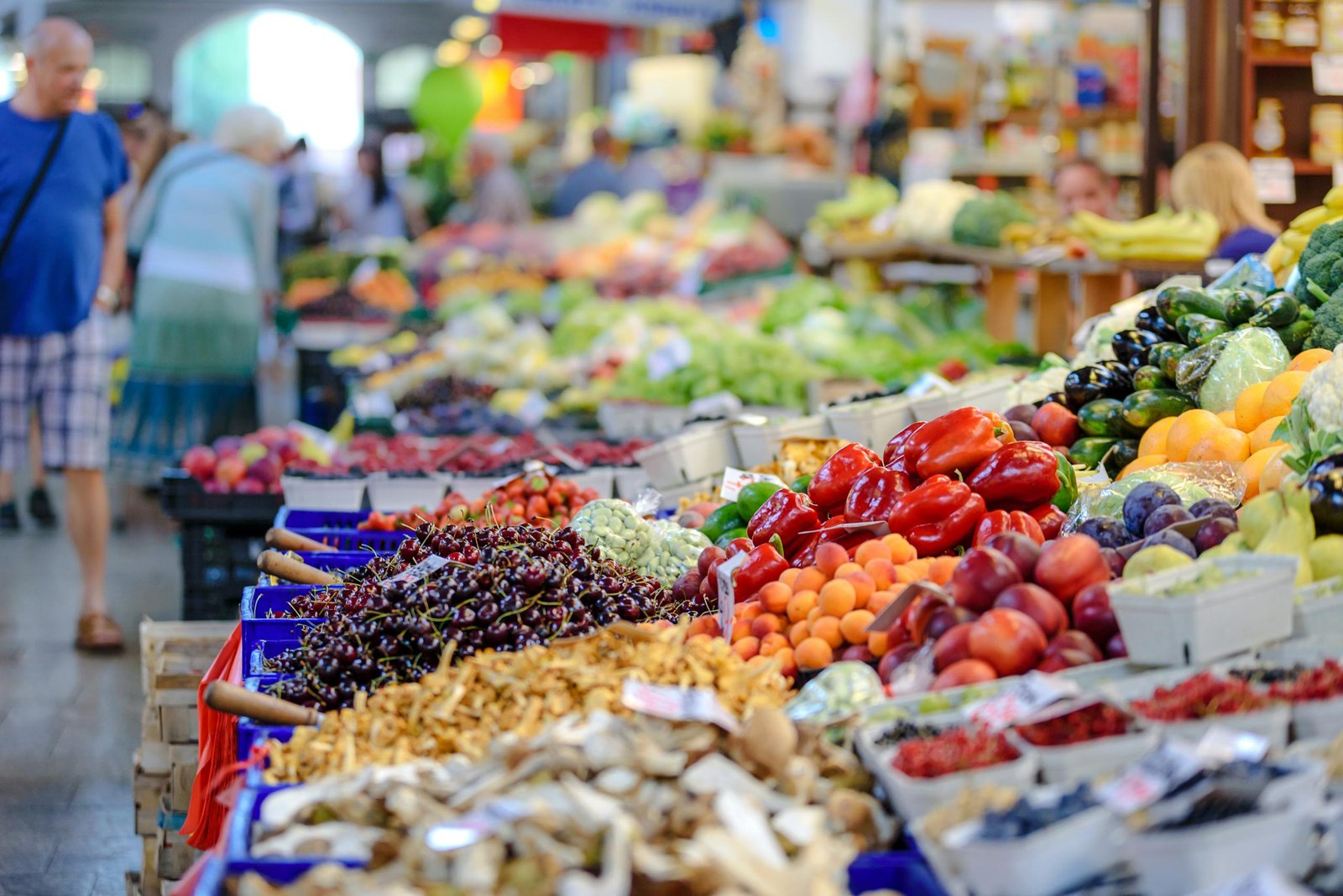
- A source of fresh, local produce
- A social anchor for residents
- A quiet indicator of how liveable an area truly is
If you want to understand Costa Adeje beyond beaches and brochures, follow the baskets.
Agromercado de Adeje
The Backbone of Local Food Culture
If there is one market that has grown in importance — not size, but meaning — it’s the Agromercado de Adeje, tucked into the Las Torres neighbourhood. Still organised with the support of the Ayuntamiento, the Agromercado remains fiercely local. What’s changed since 2024 isn’t the philosophy, but the people shopping there
You’ll now see:
- Residents planning full weekly shops
- Long-stay renters with reusable bags and routines
- Conversations about recipes, not prices
What’s New or Notable
- Stronger emphasis on seasonality — some products appear, disappear, and return without apology
- More small-batch items selling out earlier (especially cheeses and baked goods)
- A noticeable increase in younger vendors alongside long-established producers
What to Buy in 2026
- Local goat cheeses (ask what’s freshest, not what’s best)
- Seasonal fruit you won’t find consistently in supermarkets
- Honey and preserves with clearly labelled origins
- Bread that goes stale quickly — a good sign
Local tip: arrive before 10:00. After that, the choice narrows, and the conversations get longer.
Mercado de Costa Adeje
The Market That Bridges Visitors and Residents
Still held on Thursdays and Saturdays, the Mercado de Costa Adeje continues to occupy an interesting middle ground.
It hasn’t become more touristy — but it has become more hybrid.
You’ll find:
- Visitors browsing
- Residents returning to the same stalls week after week
- Vendors who remember faces, not just wallets
What’s Evolved
- Better-quality artisanal products (fewer throwaway souvenirs)
- More practical items: clothing you’d actually wear, not just pack
- A subtle shift towards “things you’d keep” rather than “things you’d gift”
Buy Here If You’re Staying Longer Than a Week
- Linen clothing suited to the climate
- Everyday jewellery and accessories
- Edible souvenirs you won’t regret packing
This market works best if you slow down. A quick loop misses the point.
Los Cristianos Market
Still Busy, Still Useful — If You Know Why You’re There
Los Cristianos Market hasn’t changed dramatically — and that’s both its strength and its challenge.
It’s still lively. Still crowded. Still a mix of excellent finds and forgettable clutter.
What has changed is how Costa Adeje residents use it.
How Locals Use It Now
- Specific missions, not wandering
- Early arrivals, early exits
- Focus on a handful of trusted vendors
Best Buys in 2026
- Handmade jewellery (quality remains strong)
- Local sauces, mojos, and preserves
- Lightweight bags and beach items that last
Skip: generic souvenirs you’ve seen everywhere else on the island.
Alcalá Market
The Quiet Favourite for Authenticity
If you want to understand how locals actually shop, Alcalá remains one of the best windows into everyday island life.
Nothing flashy. Nothing forced.
Why It Matters More Now
As Costa Adeje grows busier, smaller markets like Alcalá have become emotional anchors for many residents — places where pace, price, and conversation still feel human.
What to Look For
- Ultra-fresh produce
- Local pastries that sell out quickly
- Vendors who will tell you how to cook something, not just sell it
Pair it with a coastal walk and a coffee, and you’ve experienced something far more valuable than shopping.
El Rastro Las Chafiras
Objects With a Past (and Sometimes a Future Home)
El Rastro remains unpredictable — and that’s the point.
In 2026, it’s increasingly popular with:
- New residents furnishing homes slowly
- Collectors and long-term renters
- People who enjoy stories as much as objects
Best Finds Lately
- Vintage home décor
- Old photographs and postcards
- Solid furniture pieces worth restoring
This is not efficient shopping.
It’s exploratory shopping — and Costa Adeje has more space for that kind of living than most people expect.
Eco & Pop-Up Markets: Small but Telling
Eco and sustainability-focused markets remain occasional rather than fixed, but their presence has grown in importance.
They reflect:
- A more conscious resident base
- Interest in local skincare, aloe-based products, and zero-waste goods
- A shift from “buying things” to “choosing values”
If you’re considering a longer stay, these markets often feel like signals of alignment.
How Market Habits Change When You Stay Longer
Here’s what we see again and again:
Week 1: browsing
Week 2: buying fruit
Week 3: planning meals
Week 4: recognising faces
Markets stop being an activity and start being infrastructure.
That’s when Costa Adeje moves quietly from destination to possibility.
Unsolicited advice? Maybe. Useful? Definitely
- Go early. This hasn’t changed — and never will.
- Bring cash. Cards are more common, but not universal.
- Ask questions. Vendors love context.
- Buy less, more often. You’ll waste less and enjoy more.
- Observe locals. They’ll show you what’s worth buying without saying a word.
Markets don’t make a place liveable on their own.
But they reveal whether life there has roots.
And in Costa Adeje, those roots are deeper, calmer, and more resilient than they first appear.
If you find yourself returning to the same stall, greeting the same vendor, or adjusting your schedule around a Saturday morning — you’re no longer just visiting.
You’re practising life here.