The History of Carnival in Adeje (Part 2)

🔙 Missed the beginning? Start with Part 1 of The History of Carnival in Adeje.
From Informal Celebrations to Recognized Tradition
By the late 20th century, Adeje’s carnival had become a bridge between the past and the present. What once took place in quiet courtyards and hidden gatherings gradually emerged into public plazas and organized parades.
In the early 1980s, local councils began supporting community initiatives that revived traditional music, costume-making, and street performances. For many residents, this recognition felt like a cultural homecoming — the first time their grandparents’ memories were treated as heritage, not just nostalgia.
Carnival, long an act of joyful rebellion, was finally embraced as a legitimate expression of Adeje’s identity.
The Birth of the Modern Carnival
The 1990s brought what many consider the “modern era” of Adeje’s carnival.
With growing infrastructure, tourism, and municipal support, carnival took on a more structured form — complete with stages, competitions, and official calendars.
But unlike in larger cities, Adeje maintained its neighborhood-driven spirit.
Costume workshops continued in garages and cultural centers. Children still rehearsed in schoolyards. The people of Adeje never surrendered carnival to commercialism; they redefined it on their own terms.
The Role of Schools and Cultural Associations
Education became a vital force in preserving carnival’s authenticity. Local schools integrated carnival arts into their annual activities — teaching choreography, costume design, and even local history.
Cultural associations, many run by volunteers, ensured participation remained inclusive. These organizations didn’t just keep carnival alive; they kept it ours.
Every generation learned that carnival was not something to watch — it was something to do.
Adeje’s Carnival in the 21st Century
In the 2000s, Adeje’s carnival matured into a defining annual event.
Though smaller in scale than Santa Cruz’s world-famous version, Adeje’s carnival attracted visitors who valued authenticity over spectacle.
Distinctive features included:
- The “Baile de Piñata”, a traditional dance marking the end of festivities.
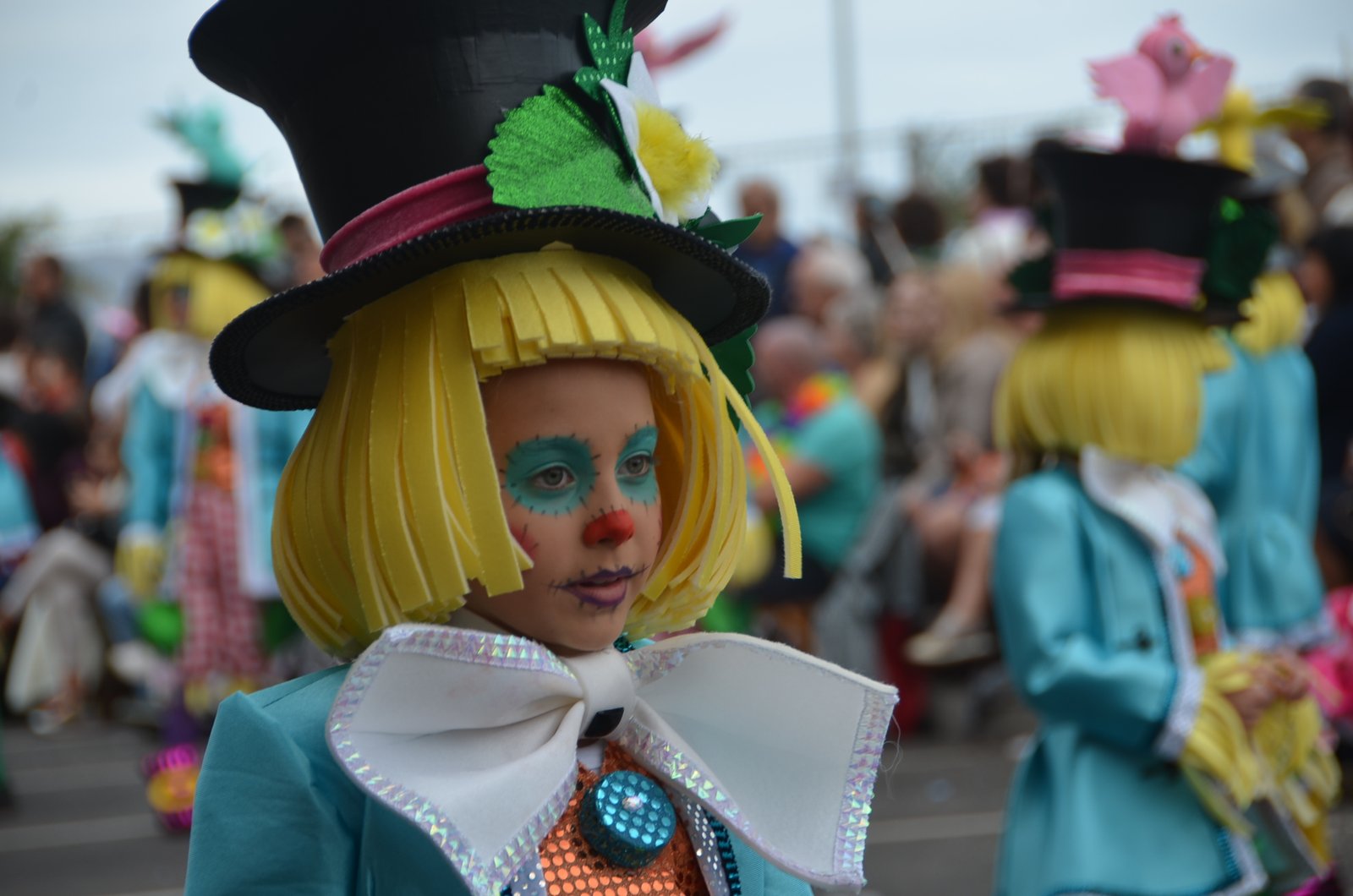
- Family-oriented parades, encouraging participation from all ages.
- Humorous performances poking fun at local politics and global trends alike.
Each year’s theme reflected both contemporary culture and island humor, ensuring the event remained relevant without losing its roots.
The Balance Between Tourism and Tradition
As Adeje grew into a global tourism destination, its carnival faced a familiar challenge: how to welcome visitors without losing its local flavor.
The solution lay in balance.
Carnival events were designed to be accessible yet authentic — open to tourists, but driven by locals.
Rather than turning the event into a commercial showcase, Adeje chose to present its real self — family, humor, and creativity intact.
Visitors who stumble upon Adeje’s carnival often describe it as “intimate, unexpected, and sincere.”
That authenticity is no accident — it’s policy.
Humor as Resistance, Community as Celebration
One of the most enduring characteristics of Adeje’s carnival is humor.
From playful satire of politicians to affectionate jokes about island life, carnival humor acts as social release.
Even today, you’ll find parades full of clever wordplay, improvised skits, and homemade props that make light of serious issues.
It’s laughter with purpose — laughter that unites.
Preserving the Spirit for the Future
Carnival in Adeje continues to evolve, but its foundation remains the same: community, creativity, and continuity.
Municipal programs now support eco-friendly costumes, digital archiving of older photos, and intergenerational workshops.
In other words, Adeje’s carnival is both ancient and modern — the same celebration reborn every year in new colors.
Why History Still Matters
Understanding the history of Adeje’s carnival gives context to its charm today.
It explains why participation feels personal, why humor matters, and why the parade still feels like a family reunion rather than a spectacle.
Adeje’s carnival is not just a festival.
It’s proof that culture can survive censorship, migration, modernization, and globalization — as long as people care enough to dance.
The story of carnival in Adeje is, at heart, a story about people: resilient, inventive, and endlessly optimistic.
From whispered gatherings to brightly lit streets, carnival has always given Adeje something rare — a sense of belonging that no economic change can erase.
Every February, as drums echo through the streets and confetti rains from balconies, the town doesn’t just celebrate another year of festivities.
It celebrates survival — joyful, defiant, and entirely its own.