
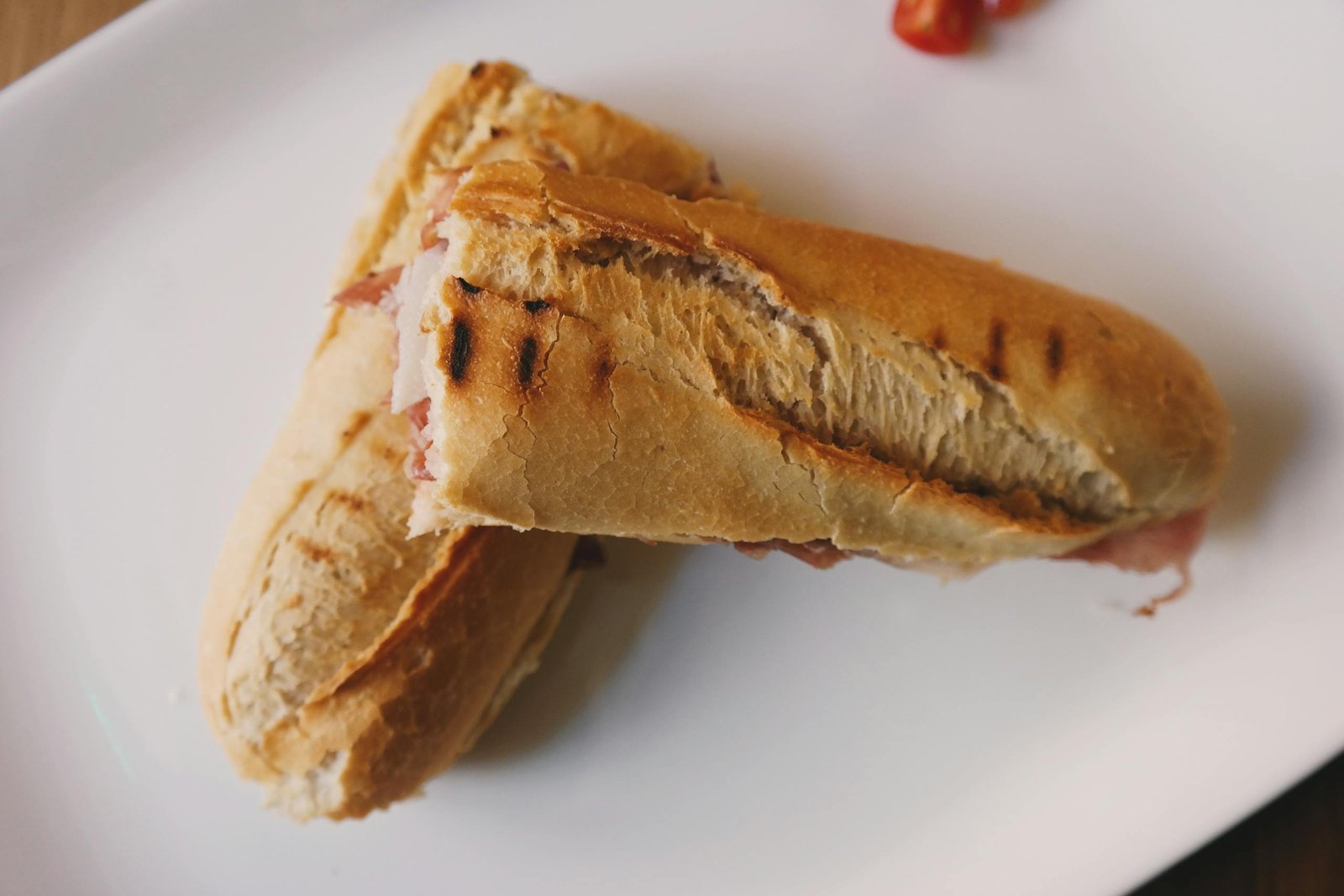
Word of the Day: Bollito

If you sit down at a Canarian café and see someone order a bollito, don’t expect a giant feast. This little word refers to something small, humble, and — quite frankly — delicious: a small bread roll or bun, often eaten for breakfast or as a snack.
It might not sound exciting, but in Tenerife, a bollito is comfort food at its purest.
What Does Bollito Mean?
At its simplest, a bollito is a bread roll. Usually round, soft, and perfect for stuffing with cheese, ham, or just butter and jam.
But the word also carries a sense of familiarity — it’s not just bread, it’s the everyday bread, the one you grew up with, the one your abuela bought every morning.
Where Does It Come From?
The word bollito comes from bollo, which means “bun” in Spanish. The -ito ending makes it smaller and cuter — little bun.
In mainland Spain, bollo often refers to sweet pastries or cakes. But in the Canary Islands, bollito usually means a savoury bread roll.
How Canarians Use It
Some typical phrases:
- “Ponme un bollito de jamón y queso.” → Give me a ham and cheese roll.
- “Un café con leche y un bollito, por favor.” → A coffee with milk and a small bread roll, please.
- “No hay desayuno sin bollito.” → There’s no breakfast without a bollito.
It’s the word you’ll hear at bakeries, cafés, and even petrol station shops across Tenerife.
Cultural Flavor: More Than Just Bread
The bollito is part of daily life. Kids take it in their school bags, workers grab one with coffee at mid-morning, and tourists quickly discover it’s the cheapest, tastiest way to fuel up before a hike or a beach day.
Some bakeries in Adeje serve bollitos stuffed with local cheese (queso fresco), chorizo de Teror, or even avocado — bringing together tradition with the island’s fresh produce.
A Day in Costa Adeje: Bollito Breaks
Imagine a morning in Costa Adeje. You’ve been walking along the promenade, the sun is climbing, and you duck into a café. The waiter brings a café con leche and a warm bollito filled with jamón serrano. Simple, cheap, satisfying.
Or picture a road trip up towards Teide. You stop at a roadside bakery, grab a bag of bollitos, and eat them in the car while the landscape shifts from beach palms to pine forests. Pure Tenerife.
A Pinch of English Humor
We have “bread roll” or “bun” in English, but neither has the cozy charm of bollito. Say it out loud — it sounds almost like a pet name. (Don’t be surprised if someone calls their partner “mi bollito” with affection).
It’s the kind of word that proves language can make even bread sound cute.
Why Travelers Should Know It
Ordering a bollito is an easy way to blend in with locals. Instead of asking for a “sandwich,” you’ll sound like you know the rhythm of daily life.
It’s cheap, filling, and connects you to the culture of stopping mid-morning for a snack — a ritual as Canarian as sunshine itself.
Fun Fact
In some Latin American countries, bollito means something completely different: a small cake or even a type of dumpling. So don’t be confused if your Venezuelan friend pictures dessert while you’re happily eating a bread roll.
A bollito may be small, but it’s mighty in meaning. It captures the Canarian love of simplicity, routine, and food that feels like home.
So next time you’re in Adeje, skip the fancy brunch. Order a café con leche and a bollito. You’ll thank me later.
💬 Question for you:
If you could only have one breakfast forever — bread rolls, croissants, or pancakes — which would you choose?