Christmas in the Canary Islands: Traditions, History & What Makes It Special

Christmas in the Canary Islands is unlike any other winter celebration in Europe. While much of the continent prepares for freezing temperatures, mulled wine, and snowy markets, the archipelago just off the coast of Africa remains warm, sunny, and relaxed — with daytime temperatures between 19°C and 24°C in December.
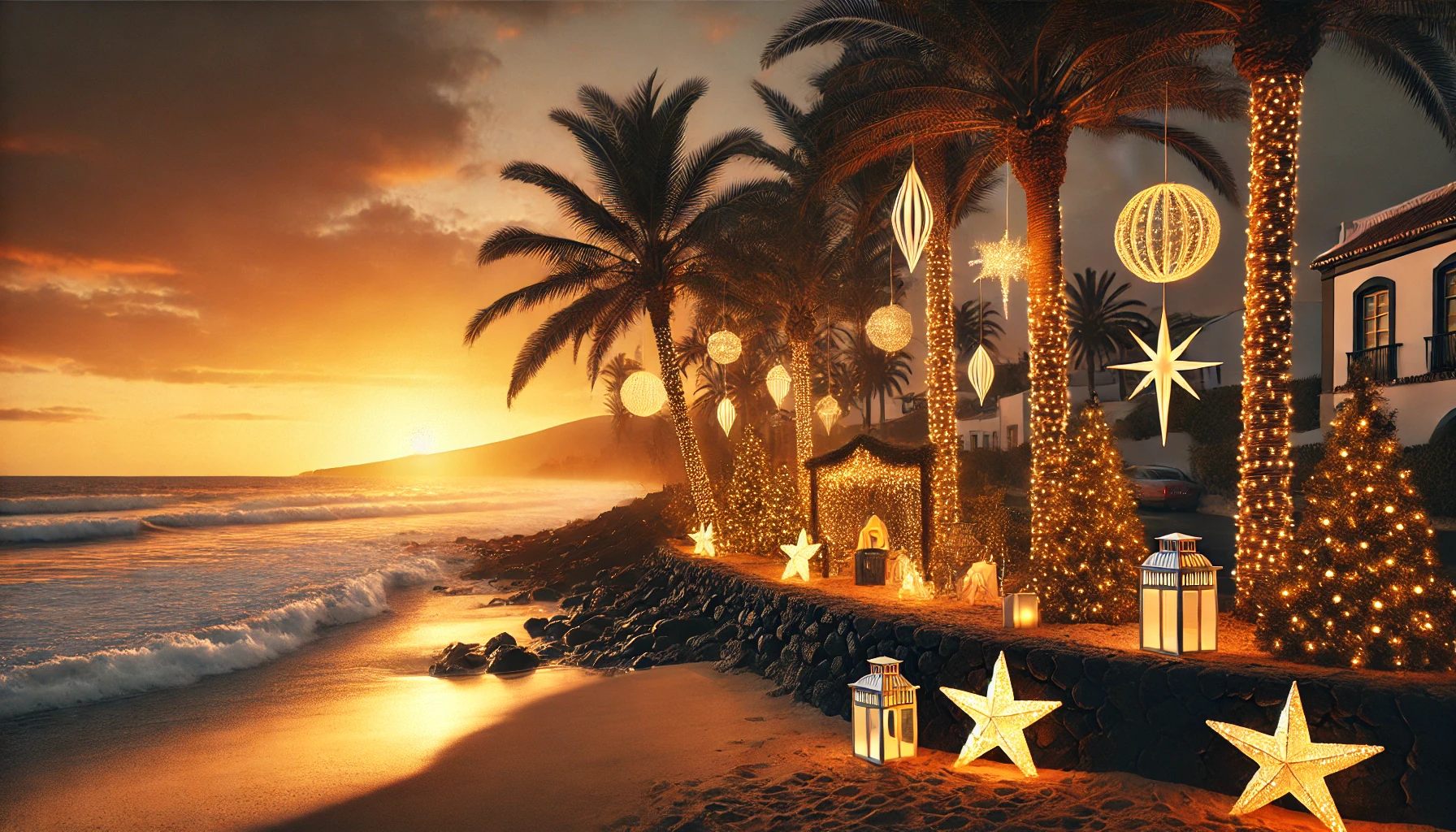
This unique climate, mixed with centuries-old Spanish traditions and local Canarian culture, creates a holiday atmosphere that feels both festive and summery. It’s a Christmas where palm trees, nativity scenes, and beach days naturally coexist.
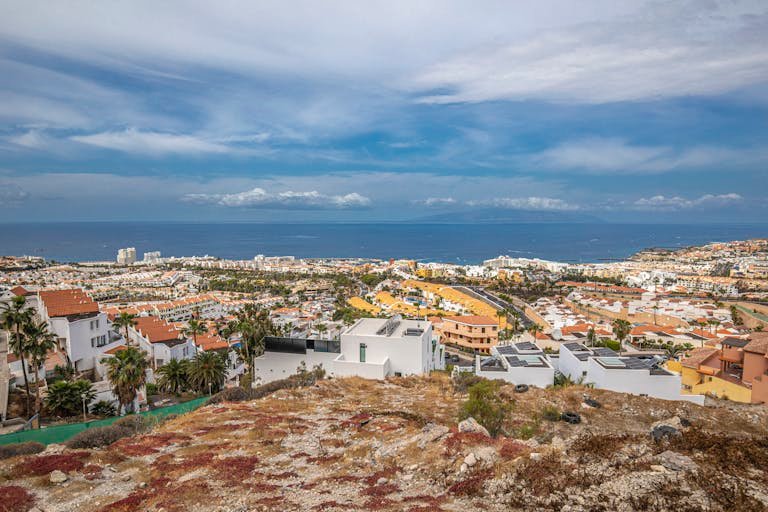
Below is a complete, factual guide to how Christmas is celebrated across the Canary Islands, why the traditions here are different, and what you can expect in Costa Adeje — one of Tenerife’s most popular holiday destinations.
A Brief History of Christmas in the Canary Islands
Christmas traditions in the Canary Islands share their roots with the rest of Spain. After the islands became part of the Crown of Castile in the 15th century, settlers brought with them the religious and festive customs of the Iberian Peninsula. Over time, these blended with local culture to form a distinct Canarian identity.
Real historical facts:
- Spanish settlers (15th–16th centuries) introduced Christmas religious practices, such as the Belén (Nativity scene) and Nochebuena celebrations.
- Nativity scenes grew into an important local art form, often representing traditional Canarian landscapes.
- Migration and cultural exchange — especially with Latin America — enriched the islands’ music and cuisine.
- In the 20th century, with the rise of tourism, Christmas events expanded into public concerts, illuminated streets, and outdoor activities typical of warm-weather destinations.
Today, Christmas in the Canary Islands is both recognizably Spanish and unmistakably shaped by the islands’ climate, culture, and community spirit.
Authentic Christmas Traditions Across the Canary Islands
All of the traditions below are real and commonly practiced throughout the archipelago.
Belén — Nativity Scenes
The Belén is the centrepiece of Christmas in the Canary Islands. Instead of focusing on Christmas trees, local towns and municipalities create detailed Nativity displays. These often include miniature villages, landscapes inspired by each island, flowing water, natural plants, and volcanic sand. Many of these scenes are built by artisans and require months of preparation.
Some of the most notable Belén installations can be found in Santa Cruz de Tenerife, La Laguna, La Orotava, Puerto de la Cruz, Las Palmas, and Telde.
Cantos de Pascua de Navidad — Traditional Christmas Songs
In the Canary Islands, Cantos de Pascua de Navidad refers to Christmas carols, not Easter songs. These performances take place throughout December and during the festive period up to January 6th. Local groups sing a mix of classic Spanish villancicos and traditional Canarian styles such as the historic ranchos de ánimas, especially in Tenerife, Lanzarote, and Fuerteventura.
Popular villancicos (Christmas carols)
- Noche de Paz – the Spanish version of Silent Night, translated into over 100 languages.
- Feliz Navidad – an international Christmas classic by José Feliciano.
- Campana sobre campana – one of the most traditional Spanish carols.
- Los peces en el río – widely sung across Spanish-speaking countries.
- El Tamborilero (The Little Drummer Boy) – a festive staple.
- Rodolfo el Reno – very popular among children.
- Jingle Bells – a globally recognised Christmas song.
Religious songs often heard at Christmas
- Oh Happy Day – performed during the festive season, though also used in other religious contexts.
- Hosanna en el Cielo – a hymn commonly heard in Catholic liturgy.
- Juntos Como Hermanos – a well-known Christian hymn sung in many churches.
Origins of the villancico
Villancicos were originally folk songs performed in villages (villa → villancico) during local celebrations and harvest festivals. Over time, they entered the churches, incorporated religious themes, and became strongly associated with Christmas.
Nochebuena — Christmas Eve Dinner
As in the rest of Spain, December 24th is the most important family celebration. Families gather for long festive dinners and often attend the traditional midnight mass known as La Misa del Gallo. The evening focuses on food, family, and togetherness.
Christmas Food in the Canary Islands
Christmas gastronomy in the Canary Islands includes a mix of Spanish classics and local island dishes. Traditional festive foods include sancocho canario (salted fish with potatoes and mojo), cabrito asado (roast goat, especially in rural areas), pella de gofio (a staple made from roasted cereal flour), truchas de batata (sweet turnovers with sweet potato and almonds), and bienmesabe (an almond dessert originally from La Palma). Spanish favourites such as turrón and Roscón de Reyes are also widely enjoyed.
The Beach Tradition
Although not an official custom, spending Christmas at the beach is completely normal in the Canary Islands. Locals and visitors regularly swim, sunbathe, or surf on December 25th or even January 1st. With warm weather and mild sea temperatures, the coast becomes a natural part of the holiday celebration.
Cabalgata de Reyes — The Three Kings Parade
The arrival of the Three Kings on January 5th is one of the biggest festive events in the Canary Islands. Almost every town, including Adeje, Santa Cruz, La Laguna, Arona, and La Orotava, hosts a parade featuring decorated floats, music, sweets thrown to the crowds, and, in some municipalities, camel processions. For many families, this celebration holds even greater importance than Christmas Day.
What Christmas Feels Like in Tenerife & Costa Adeje
Costa Adeje combines local Canarian traditions with the atmosphere of a modern resort town. It offers a festive environment without the cold weather.
Christmas lights
Adeje typically decorates the Casco Histórico, Calle Grande, Plaza España, and selected areas of Costa Adeje. The lighting varies slightly each year.
Artisan markets and events
During December, Adeje usually hosts small Christmas markets, craft fairs, and family-friendly events. Programmes change annually, but artisan stalls, local products, and music are common.
Concerts and cultural activities
Plaza España, the Cultural Centre, and other municipal spaces often host concerts, performances, children’s activities, and community events.
Hotel festivities
Many hotels in Costa Adeje offer special Christmas dinners, brunches, decorations, and New Year’s Eve galas, contributing to the area’s festive atmosphere.
What Tourists Can Expect
Weather
You can expect mild temperatures, plenty of sunshine, and pleasant sea conditions — ideal for outdoor plans.
Transport
Public transport may run reduced schedules on public holidays, with additional services for major events.
Dining
Reservations are highly recommended for December 24, 25, 31, and January 1, as many restaurants offer festive menus.
Atmosphere
Costa Adeje in December is multicultural and lively, with a mix of locals, winter tourists, families, and visitors from all over Europe.
Conclusion
Christmas in the Canary Islands is warm, colourful, and deeply rooted in tradition. From Nativity scenes and festive songs to beach days and the spectacular arrival of the Three Kings, the islands offer a unique way to celebrate the season. Costa Adeje adds beautiful lights, cultural events, and a welcoming holiday mood that makes December unforgettable.
This is the first article in our Christmas series on Adeje.com. Over the coming days, we will explore the best Christmas markets and festive events across Tenerife — based entirely on real, updated information.