How Adeje Celebrates Carnival: A Local Perspective Beyond the Parades

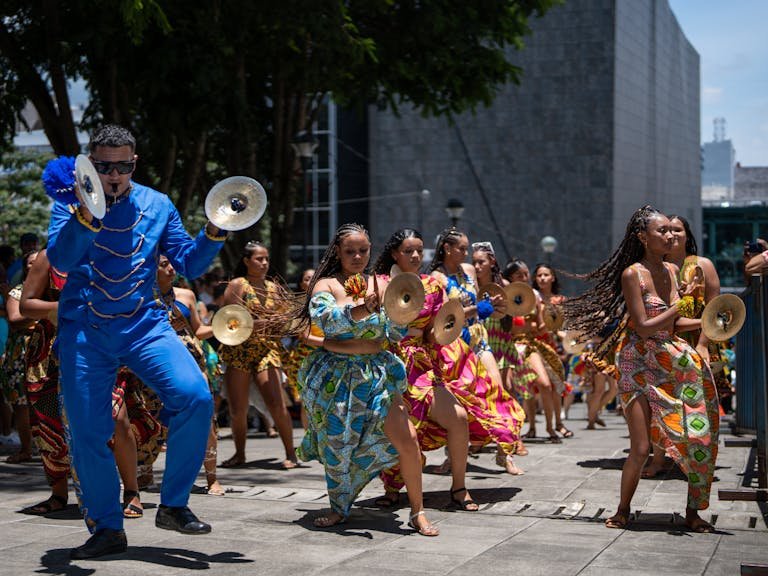
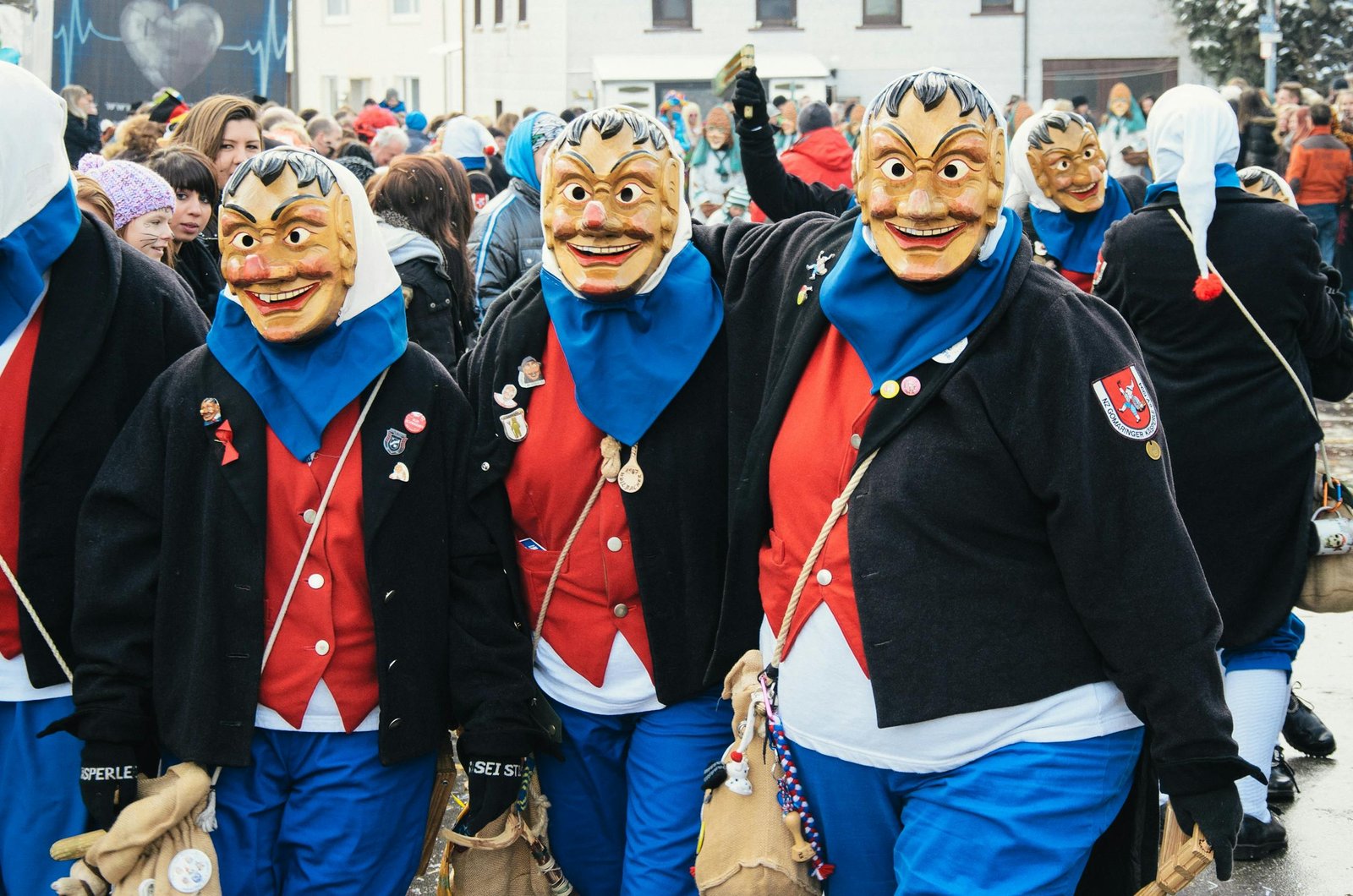
Carnival in Adeje is often seen from the outside as a series of colorful parades and lively public events. While these moments are important, they represent only a small part of what carnival truly means to the local community. To understand how Adeje celebrates carnival, one must look beyond the main stages and into neighborhoods, homes, schools, and cultural spaces where preparation and participation begin long before the first costume appears on the streets.
For residents, carnival is not something that simply happens. It is something that is built collectively, shaped by shared memories, creativity, and a strong sense of belonging. This local perspective reveals a celebration that is deeply human, quietly meaningful, and rooted in everyday life.
Carnival Through the Eyes of Locals
For people who live in Adeje year-round, carnival is part of the social calendar in the same way family gatherings or community festivals are. It marks a period where routines loosen and expression is encouraged.
Locals often describe carnival as:
- A time to reconnect with neighbors
- An opportunity for creativity without judgment
- A celebration that belongs to everyone, not just performers
Participation matters more than performance. Many residents join events not to be seen, but to be part of something shared.
Neighborhood Celebrations That Visitors Rarely See
While central events attract the most attention, some of the most authentic carnival moments happen in residential areas.
Small-Scale Street Gatherings
In quieter neighborhoods, carnival may take the form of:
- Informal music gatherings
- Children parading through streets with handmade costumes
- Shared meals among neighbors
These moments are rarely advertised, yet they capture the spirit of carnival more clearly than large productions.
Community Centers and Local Associations
Cultural associations play a crucial role by organizing:
- Costume-making workshops
- Dance rehearsals
- Educational activities related to carnival history
These spaces act as the backbone of the celebration, ensuring traditions are passed on.
The Role of Schools in Carnival Culture
Schools in Adeje are deeply involved in carnival celebrations. For children, carnival is both festive and educational.
Activities often include:
- Classroom discussions about carnival history
- Art projects focused on costume design
- School parades involving families
Through these activities, children learn that carnival is not just about dressing up, but about cultural expression and community values.
Music, Food, and Shared Spaces
Music and food are inseparable from how Adeje celebrates carnival.
Music as a Collective Experience
Live music is preferred over recorded performances. Drums, percussion, and local rhythms dominate, creating an atmosphere that invites movement rather than observation.
Music groups are often composed of:
- Friends and relatives
- Neighbors who rehearse together
- Multi-generational participants
Food as a Social Connector
Carnival gatherings frequently include:
- Homemade dishes shared among attendees
- Traditional snacks prepared for children
- Informal food exchanges rather than commercial stalls
Food reinforces the idea that carnival is something shared, not consumed.
Costumes: Creativity Over Perfection
One of the clearest differences between local carnival participation and large-scale events is the approach to costumes.
In Adeje:
- Costumes are often handmade
- Recycled materials are common
- Humor and originality matter more than polish
Families may spend weeks designing costumes together, turning preparation into a bonding activity. The result is a celebration where creativity feels personal rather than competitive.
Carnival and Community Identity
Carnival serves as a mirror of Adeje’s identity. Through themes, costumes, and performances, locals reflect on:
- Daily life
- Social changes
- Collective memories
Satire is common, but rarely aggressive. Instead, it is playful and reflective, allowing people to laugh at shared experiences.
For long-term residents, carnival reinforces the idea that Adeje is not just a destination, but a living community.
While the core values of carnival remain, the way Adeje celebrates has evolved.
Past Celebrations
Older residents remember times when:
- Carnival events were smaller
- Resources were limited
- Participation relied entirely on community effort
Modern Influences
Today, improvements include:
- Better organization
- Broader participation
- Increased visibility
However, there is ongoing effort to avoid turning carnival into a purely touristic event. Maintaining balance is a constant conversation.
Visitors are welcome at carnival in Adeje, and many locals appreciate genuine interest in their traditions. Respectful participation includes:
- Observing family-oriented events appropriately
- Avoiding disruptive behavior
- Joining activities with openness rather than expectation
Visitors who engage respectfully often find themselves warmly included.
Understanding how Adeje celebrates carnival from a local point of view reveals why the event continues to matter. It is not sustained by promotion or scale, but by people who care deeply about preserving a tradition that reflects who they are.
Carnival remains meaningful because it evolves with the community while staying rooted in shared values.
How Adeje celebrates carnival goes far beyond parades and scheduled events. It lives in neighborhoods, classrooms, community centers, and family homes. It is shaped by creativity, cooperation, and a strong sense of identity.
For those willing to look beyond the surface, carnival in Adeje offers insight into the heart of the community—one that values participation, tradition, and togetherness above all else.