
Cost of Living in Costa Adeje 2026

Living in Costa Adeje is often described in shortcuts.
“Upmarket.” “Expensive.” “Resort prices.”
None of those are wrong — but none of them explain what life here actually costs once you stop behaving like a tourist and start behaving like a resident.
Costa Adeje is not cheap in the abstract, but it is predictable. Costs are stable, daily expenses are manageable, and the biggest variable is not inflation or seasonality — it’s lifestyle choice. Where you live, how you move, and how much of the area you actually use.
This guide breaks down the real cost of living in Costa Adeje in 2026, based on long-term, everyday life — not holiday budgeting. Rent, utilities, groceries, transport, and entertainment are all covered, with context that matters if you are planning to stay.
Rent in Costa Adeje (The One Cost That Changes Everything)
Rent is the single biggest factor in your monthly budget — and the one most likely to be misunderstood.
Costa Adeje is not one rental market. Playa del Duque, Fañabé Alto, Torviscas Alto, and San Eugenio all sit under the same name but behave very differently in price, density, and long-term livability.
Typical Long-Term Rent (12-Month Contracts)
| Property type | Monthly range (€) | Context |
|---|---|---|
| 1-bed apartment | 900 – 1,300 | Strongly location-dependent |
| 2-bed apartment | 1,200 – 1,800 | Most common for couples |
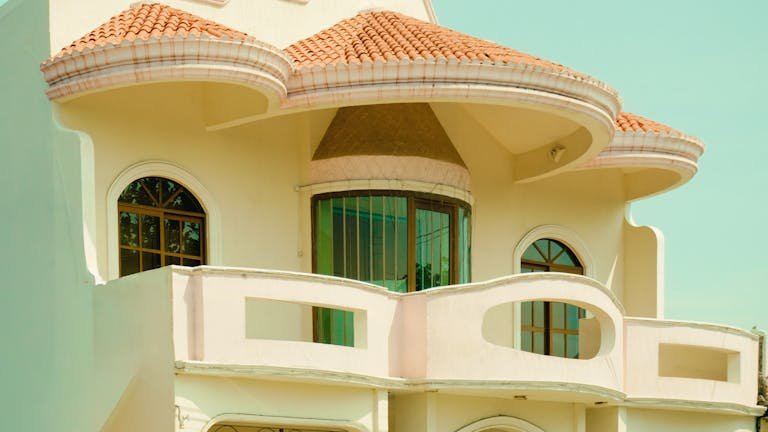
| Villa / townhouse | 2,000 – 3,500+ | Pool & parking push prices |
What 2026 looks like on the ground
- Long-term contracts are now preferred by many owners — stability matters more than peak yield.
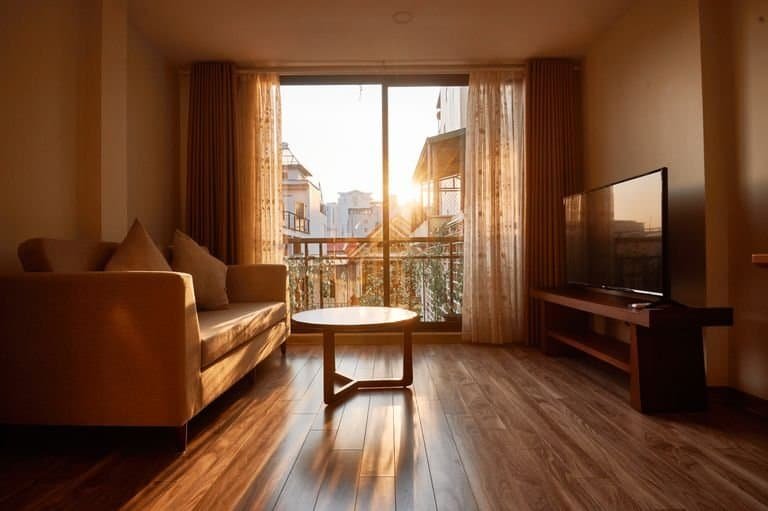
- Furnished apartments dominate the market.
- Sea views and walkability inflate prices more than size.
If you are planning a move rather than a stay, rent should be viewed as infrastructure, not indulgence.
Utilities & Household Bills (The Quiet Cost People Miss)
Utilities in Costa Adeje are generally moderate — until winter nights arrive.
Most homes in southern Tenerife do not have central heating. When temperatures drop in the evenings (especially December to February), residents rely on electric heaters, air-conditioning units set to heat mode, or portable radiators. This is where electricity costs can rise unexpectedly.
Average Monthly Utilities
| Expense | Typical range (€) |
|---|---|
| Electricity | 70 – 120 |
| Electricity (winter with heating) | 120 – 180 |
| Water | 20 – 35 |
| Internet (fiber) | 35 – 45 |
| Mobile plans | 10 – 25 |
Important winter reality
- Evenings can feel cold indoors due to tile floors and lack of insulation.
- Running electric heaters for several hours nightly can double electricity bills compared to summer.
- Newer buildings and good insulation make a significant difference.
This is one of the most common surprises for newcomers — not because electricity is expensive, but because heating is entirely electric.
Grocery Costs (Local Life vs Imported Habits)
Food costs in Costa Adeje are one of its quiet advantages — if you eat like someone who lives here.
Monthly Grocery Spend
| Household | Monthly cost (€) |
|---|---|
| Single person | 200 – 280 |
| Couple | 350 – 450 |
| Small family | 450 – 600 |
These grocery costs reflect a resident-style routine: shopping mainly at Spanish supermarkets and local markets, cooking most meals at home, and limiting imported or specialty products.
If you regularly buy international brands, organic imports, alcohol, or convenience foods, monthly grocery spending can rise noticeably.
Local produce, Spanish supermarkets, and markets keep prices grounded. Imported brands, specialty items, and familiar northern-European products raise costs quickly — but by choice, not necessity.
Transport Costs (Car Optional, Not Mandatory)
Costa Adeje is one of the few parts of Tenerife where living without a car is genuinely realistic, provided you choose your location well.
Typical Monthly Transport Costs
| Transport type | Monthly cost (€) |
|---|---|
| Bus only | 40 – 60 |
| Small car (fuel + insurance) | 150 – 250 |
| Car + paid parking | 200 – 300 |
Public transport pricing follows current TITSA structures, which remain stable and resident-friendly .
Many long-term residents start without a car and add one later — not the other way around.
Entertainment, Eating Out & Daily Life
Costa Adeje’s reputation suggests luxury pricing. Day-to-day reality is more balanced.
| Item | Typical cost (€) |
|---|---|
| Coffee / barraquito | 1.50 – 2.50 |
| Casual lunch | 10 – 14 |
| Dinner for two | 45 – 70 |
| Gym membership | 35 – 60 |
| Cinema ticket | 7 – 9 |
The real variable is frequency. Living well here does not require constant spending — but it does reward moderation.
Monthly Cost Scenarios (What Life Actually Adds Up To)
Conservative Lifestyle
€1,400 – 1,700 / month
- 1-bed apartment
- Bus transport
- Home cooking
- Limited heating use
Comfortable Couple
€2,000 – 2,400 / month
- 2-bed apartment
- Occasional car use
- Regular dining out
- Winter heating considered
Premium Lifestyle
€3,000+ / month
- Prime-area apartment or villa
- Car + parking
- Frequent restaurants & leisure
- Higher winter electricity use
Estimating Your Cost of Living in Costa Adeje
There is no single number that fits everyone living in Costa Adeje.
A person renting a one-bedroom apartment, using buses, and cooking at home will live very differently — and more cheaply — than a couple renting a two-bedroom property, running a car, eating out often, and using electric heating on winter nights.
That’s why cost of living here should always be read as a range, not a fixed figure.
To estimate your own monthly budget, the factors that matter most are:
- How many people live in the household
- What type of rent you choose
- Whether you rely on public transport or own a car
- How much electricity you use in winter for heating
- How often you eat out versus cooking at home
Adjust those variables, and your monthly cost can move significantly — even within the same neighbourhood.
This is also why Costa Adeje works well for long-term living: once you understand these levers, your expenses become predictable and easy to control.
Is Costa Adeje Expensive to Live In?
Costa Adeje is not cheap — but it is controlled.
There are no hidden taxes, no volatile grocery pricing, and no dramatic seasonal cost swings. The only meaningful fluctuations come from rent choices and winter electricity use — both manageable with awareness.
For people planning to stay, not just visit, Costa Adeje offers something rare: a lifestyle whose costs you can understand before committing to it.