Crypto to Real Estate in Spain: How to Legally Buy a Tenerife Villa with Bitcoin (2026 Guide)

The Rise of Crypto-Wealth in the Canary Islands The convergence of digital wealth and tangible luxury is reshaping the real estate market in Costa Adeje. As cryptocurrency holders look to diversify their portfolios, trading volatile digital assets for a sun-drenched villa in Tenerife has become a highly sought-after strategy. But can you actually hand over Bitcoin in exchange for Spanish property keys? The short answer is yes—but the process requires meticulous legal structuring.
Here is the definitive 2026 guide to legally buying real estate in Spain using cryptocurrency.
1. Is it Legal to Buy Property with Crypto in Spain?
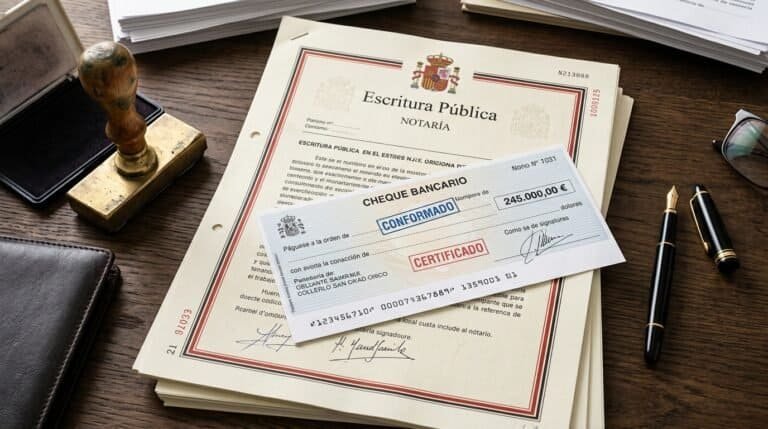
Yes. Spanish law allows the purchase of real estate using cryptocurrency, treating it as a legal, mutual agreement between a buyer and a seller. However, you cannot directly register a property deed (Escritura) in Bitcoin.
The Spanish Notary and the Property Registry require all transactions to be recorded in Euros (€). Therefore, the crypto must be converted to fiat currency, or its exact Euro equivalent must be officially certified at the exact moment of the transaction.
2. The Step-by-Step Crypto Purchase Process

Buying a Tenerife villa with crypto is not as simple as sending a wallet-to-wallet transfer. It involves strict regulatory compliance.
Step A: KYC and Anti-Money Laundering (AML) Compliance
Spain has stringent AML laws. Before any transaction occurs, the buyer must prove the origin of their funds. You will need:
- A clear traceability report of your crypto assets (showing how and when they were acquired).
- Tax returns from your home country proving you have declared these digital assets.
- Approval from a Spanish bank’s compliance department (if converting to Euros locally).
Step B: Choosing the Transaction Method
There are two primary ways to execute the purchase:
- The Conversion Method (Most Common): The buyer uses an OTC (Over-The-Counter) crypto broker or an exchange to convert Bitcoin into Euros. The Euros are deposited into a Spanish bank account, and the purchase proceeds via a standard bank draft at the Notary.
- The Direct Transfer Method (Rare): If the seller agrees to accept Bitcoin directly, the crypto is transferred to the seller’s wallet in front of the Notary. The Notary will record the exact Euro exchange rate at that specific minute to calculate the property taxes.
3. The Tax Implications for Crypto Buyers
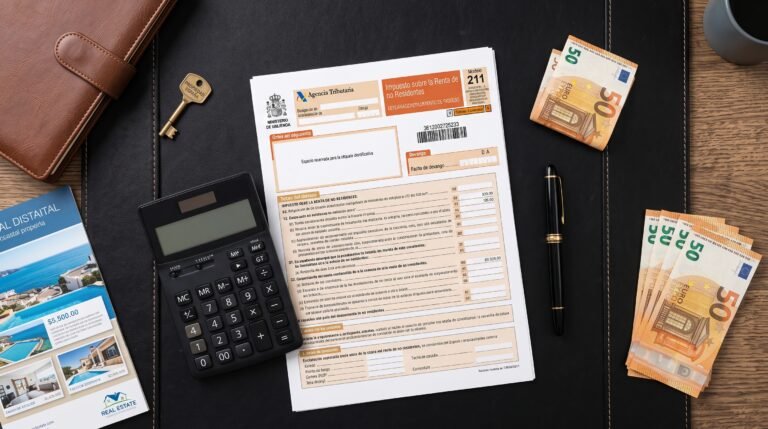
Converting your crypto to buy a house is considered a taxable event (Capital Gains) in most jurisdictions, including Spain (if you are already a tax resident).
- For Non-Residents: You will likely owe capital gains tax in your home country (e.g., the UK or Germany) upon converting the crypto.
- Property Taxes in Tenerife: Regardless of how you pay, the standard property purchase taxes apply. You will need to pay the 6.5% IGIC (for new builds) or 6.5% ITP (for resales) based on the Euro value of the property.
4. Why You Need Specialized Professionals
A standard real estate agent or general lawyer is not equipped to handle a crypto transaction. You must work with an Abogado (lawyer) who specializes in digital assets and Spanish AML compliance to prevent your funds from being frozen by the Bank of Spain.