
The Community of Owners in Costa Adeje: Understanding LPH Rules, Derramas, and Holiday Let Bans

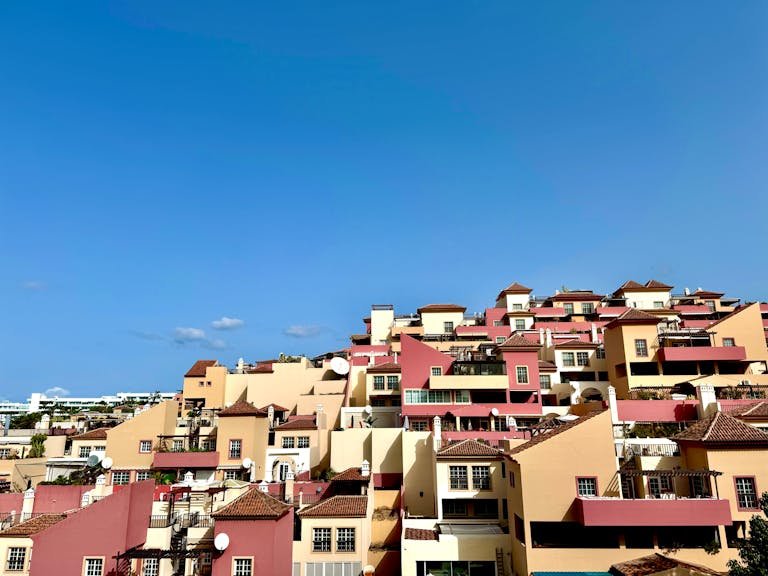
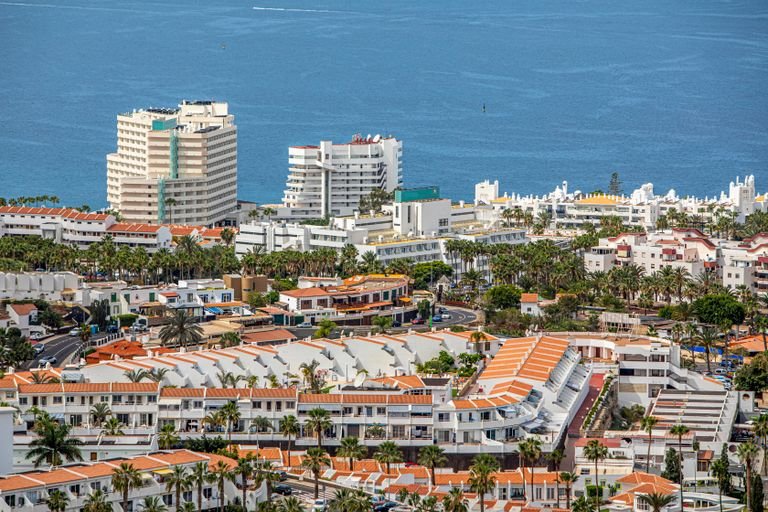
The vast majority of residential purchases in South Tenerife—from sea-view penthouses in El Duque to gated duplexes in Madroñal or Playa Paraíso—are part of a Comunidad de Propietarios (Community of Owners).
In Spain, multi-unit buildings and gated residential urbanizations are governed by the Ley de Propiedad Horizontal (LPH). While a community structure ensures shared pools, manicured subtropical gardens, and secure perimeters remain maintained, it also establishes a binding legal framework that can directly impact your property rights, annual holding costs, and rental yields.
For international buyers and investors evaluating property in Costa Adeje, understanding how the community functions—and reviewing its administrative history—is one of the most critical steps in pre-purchase due diligence.
1. The Power of the 3/5 Majority: Banning Holiday Lets (VV)
One of the most consequential amendments to the Spanish Horizontal Property Law (Article 17.12 LPH) grants the Community of Owners substantial authority over tourist rentals (Vivienda Vacacional – VV).
Under this statutory provision:
- The 3/5 Quorum: A community can vote to limit, condition, or outright prohibit holiday rentals within the complex if supported by three-fifths (60%) of the registered owners, who must also represent three-fifths of the community participation quotas (cuotas de participación).
- Increased Expense Share: The community can also vote by the same 3/5 majority to impose an increased share of common expenses (up to a 20% surcharge on ordinary community fees) on units operating as holiday accommodations.
- Registration in the Land Registry: For a community ban to be legally enforceable against future third-party buyers, the updated bylaws (Estatutos) must be notarized and officially inscribed in the Registro de la Propiedad(Land Registry).
Critical Buyer Tip: If you plan to operate a holiday let in Costa Adeje, verifying whether the complex has already passed or is currently voting on an Article 17.12 restriction is non-negotiable before paying a deposit.
2. Ordinary Fees vs. Extraordinary Assessments (Derramas)
Every owner is legally required to contribute to the complex’s upkeep based on their registered ownership coefficient (coeficiente de propiedad):
- Ordinary Quotas (Cuotas Ordinarias): Recurring monthly or quarterly charges covering routine operations—pool cleaning, elevator maintenance contracts, communal lighting, gardening, waste management, and the mandatory 10% reserve fund (fondo de reserva).
- Extraordinary Assessments (Derramas): Special, one-off levies approved at an Annual General Meeting (AGM / Junta General) to finance non-routine, high-capital projects. Examples include replacing building pipework, complete facade repainting, structural waterproofing, or modernizing fire prevention systems.
Under Spanish law, if a derrama was approved by the community prior to completion, the debt generally attaches to the property. If you purchase without confirming the status of approved works, you may inherit an obligation to pay thousands of euros toward upcoming renovations.
3. The 3-Year Buyer Liability Rule (Article 9.1.e LPH)
Under Article 9.1.e of the LPH, the property itself acts as direct legal collateral for unpaid community debts.
When you acquire an apartment in Costa Adeje:
- The buyer is held jointly and severally liable for unpaid community fees for the current calendar year, plus the three preceding calendar years.
- To prevent this risk, Spanish law requires the seller to present an official Certificate of Clear Debts (Certificado de estar al corriente de pago) at the notary, signed by the community administrator and countersigned by the community president.
- Any discrepancy or outstanding debt identified in this certificate must be deducted directly from the final purchase funds disbursed at the notary.
4. Essential Pre-Purchase Checklist: Reviewing Community Records
Before committing funds to an apartment or townhouse in Costa Adeje, instruct your independent real estate lawyer to request and review the following documentation directly from the community administrator (Administrador de Fincas):
- Minutes of the Last 2 to 3 AGMs (Actas de las Juntas): These reveal active internal disputes, recurring maintenance problems (such as swimming pool leakages or water pump failures), noise complaints, and pending extraordinary assessments.
- Current Community Statutes & Internal Regulations (Estatutos y Reglamento de Régimen Interior):Confirms specific rules on pets, long-term leasing, short-term tourist lets, and architectural modifications to terraces or pergolas.
- Budget and Reserve Fund Balance: Confirms whether the community is financially solvent or burdened by high owner default rates (morosidad).
Understanding the governance of your Comunidad de Propietarios ensures that your investment in South Tenerife remains a peaceful residential sanctuary and a financially predictable asset.