
The History of Adeje Before Tourism

Long before luxury hotels, water parks, and resort lights began to define its skyline, Adeje was a very different kind of place. Quiet. Agricultural. Resilient.
If you were to step back into the Adeje of just seventy years ago, you would hardly recognize it — yet you’d understand it. Because the roots of modern Adeje, both its character and its rhythm, were planted in the pre-tourism era.
This is the story of how Adeje lived, worked, and survived before tourism, told through real historical context and local realities.
Adeje Before the Visitors: The Setting
Before tourism reshaped the south of Tenerife, Adeje was a rural municipality built on endurance.
The economy was based on:
- agriculture, especially cereals, tomatoes, and later bananas
- pastoralism (goats and sheep on the drier slopes)
- and limited trade, mostly through intermediaries in Santa Cruz or La Laguna.
The rhythm of life was dictated by seasons, water, and sun — not flights or festivals.
Houses were simple but solid, made of stone and wood. Paths were dusty and narrow, connecting small communities spread across hillsides. Roads were a privilege, not a guarantee.
The Legacy of the Guanche and Early Settlement
Adeje’s story begins long before Spanish conquest. The area was inhabited by the Guanche, Tenerife’s Indigenous people, who built cave dwellings in the region’s volcanic cliffs and practiced subsistence agriculture and goat herding.
After the conquest in the late 15th century, Adeje became one of the first territories redistributed among new landowners — typically Castilian settlers and military figures rewarded for their loyalty. This marked the start of centuries of land concentration that shaped Adeje’s social structure.
Land, Labor, and Inequality
Until well into the 20th century, Adeje’s landscape was dominated by large estates (latifundios).
A few families owned most of the land, while the majority of residents worked it.
There were:
- tenant farmers, who gave a portion of their harvest to landlords
- day laborers, hired seasonally for planting and harvesting
- smallholders, who survived on marginal plots
This wasn’t unique to Adeje — it was the structure across southern Tenerife — but it explains why community solidaritybecame so strong. People depended on each other as much as the land.
Water: The Lifeline of Adeje
If land was power, water was control.
Adeje’s pre-tourism history is a chronicle of ingenuity in capturing and distributing water in an arid climate.
Communities built:
- channels (acequias)
- reservoirs (estanques)
- stone-lined wells (galerías)
Water-sharing agreements were complex, often oral, and occasionally disputed. Families timed their irrigation carefully — sometimes in the middle of the night — to ensure every plant survived.
The struggle for water explains much of Adeje’s social organization and why cooperation became cultural DNA.
Faith, Festivals, and Everyday Life
Life in Adeje was shaped by faith, but it was a practical, communal faith.
Churches were not just places of worship; they were community centers, meeting spaces, and the setting for every major life event.
Festivals (fiestas) marked the agricultural calendar:
- San Sebastián, protector of animals
- Virgen de la Encarnación, patron saint of Adeje
- Harvest and local saints’ days
These celebrations blended Catholic rituals with older local customs — a quiet continuity from the Guanche past to the Spanish present.
Work and the Role of Women
Women’s contributions are rarely highlighted in older historical documents, but oral history makes their role unmistakable.
Women ran households, managed food preservation, worked the fields, and maintained community ties.
Many engaged in small-scale trade:
- Selling produce
- Weaving
- Home-based food production
They kept Adeje’s micro-economy alive. When men migrated temporarily for labor elsewhere, women became de facto heads of households — and stewards of community cohesion.
The Slow Arrival of Modernity
Electricity, paved roads, and reliable public services arrived much later in Adeje than in the island’s urban north.
By the 1950s, most residents still lived without:
- consistent running water
- domestic electricity
- or motor vehicles
Radio connected Adeje to the outside world before roads did. News, songs, and distant voices arrived through static and imagination.
Education expanded slowly, with local teachers playing an essential role in modernizing mindsets before infrastructure caught up.
Adeje and Migration: Leaving to Survive
Before Adeje attracted tourists, it exported people.
Economic hardship drove migration to:
- Venezuela (known locally as “La octava isla,” the eighth island)
- Cuba
- And, later, mainland Spain
Families left in search of work but maintained emotional and financial ties through remittances.
These returning migrants often brought back new ideas — about architecture, commerce, and social life — that would influence the Adeje that tourism would later find.
How People Entertained Themselves Before Tourism
With no resorts or nightclubs, entertainment was community-made.
Evenings meant:
- storytelling
- improvised music (guitars, drums, and timple)
- dancing at neighborhood fiestas
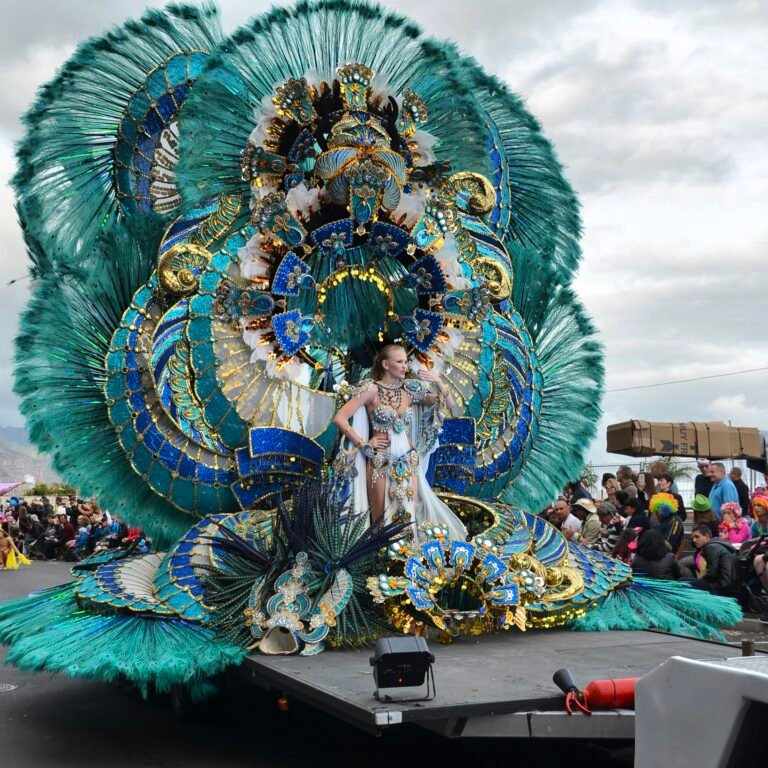
Carnival, though sometimes restricted by authorities, survived in disguised form — private gatherings where masks and humor provided temporary freedom.
The joy was homemade, the rhythm collective, the purpose simple: to feel alive together.
Agriculture as Identity
For centuries, Adeje’s economy revolved around the land.
Key crops shifted over time:
- Wheat and barley in early periods
- Cochineal (for dye) in the 19th century
- Tomatoes and bananas by the early 20th
Each shift reflected global demand, but the core identity remained agricultural.
Even today, older residents still measure time by harvest seasons rather than calendar dates.
The Turning Point: Roads and Infrastructure
In the 1960s, the construction of improved roads and the gradual electrification of rural zones marked a quiet revolution. For the first time, Adeje was physically and economically connected to the wider island network.
That connectivity laid the foundation for what would follow: tourism.
But before it arrived, Adeje had already built what money couldn’t buy — a strong, self-reliant community with a sense of dignity rooted in work.
Why Remembering Pre-Tourism Adeje Matters
Modern Adeje’s success often overshadows its origins. But the mindset that drives its development — resourcefulness, cooperation, and endurance — was born long before hotels ever rose along the coast.
Without understanding Adeje before tourism, you can’t understand why its version of progress feels balanced, or why residents still guard community values so fiercely.
Adeje before tourism was not glamorous, but it was deeply human.
It was a place of hard work, tight community, and shared hope. A society built on sun, water, and trust.
Tourism brought transformation, but the identity that makes Adeje special — generous, grounded, and quietly proud — was forged in those earlier centuries.
Remembering that version of Adeje isn’t nostalgia; it’s perspective.
It’s what makes today’s Adeje more than just a destination — it’s a story of continuity.