Inheriting a Property as a Non-Resident: The Step-by-Step Legal Process in Tenerife

For high-net-worth foreign investors acquiring luxury assets in Costa Adeje, estate planning is just as critical as the initial acquisition due diligence. Inheriting real estate in Spain does not happen automatically. Regardless of what a foreign will states, the transfer of a Spanish property to heirs requires navigating a highly specific, time-sensitive bureaucratic process governed by Spanish tax law.
Failing to execute this process within the strict legal deadlines can result in massive financial penalties, frozen assets,and the inability to sell or rent the inherited villa.
Here is the technical, step-by-step legal framework for non-resident heirs inheriting property in Tenerife, and the Canary Islands’ specific tax advantages.
1. The Jurisdiction and the Spanish Will
The most common estate planning error made by foreign buyers is relying entirely on a foreign will (e.g., a UK or US Last Will and Testament) to cover their Spanish assets.
- The Brussels IV Regulation (EU 650/2012): This regulation dictates that the law governing your succession will be the law of the country where you habitually reside at the time of death, unless you explicitly state in a will that you want the law of your nationality to apply.
- The Spanish Will (Testamento Español): While a foreign will is valid in Spain, relying on it requires translating the document via a sworn translator (traductor jurado), obtaining a Hague Apostille, and proving foreign probate laws to a Spanish Notary. This adds months of delays and thousands of euros in legal fees.
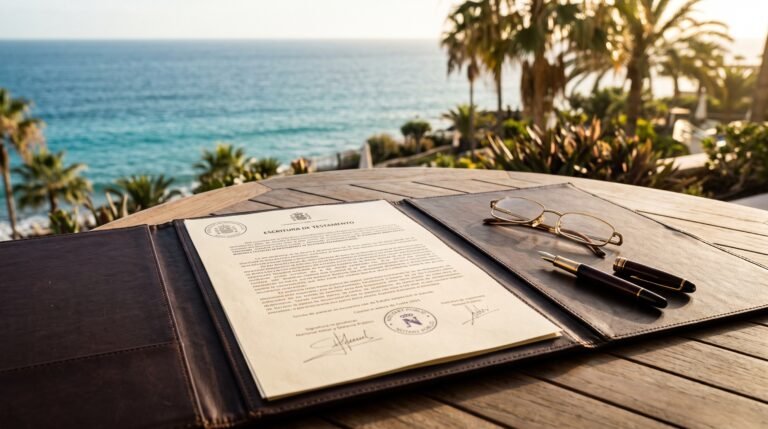
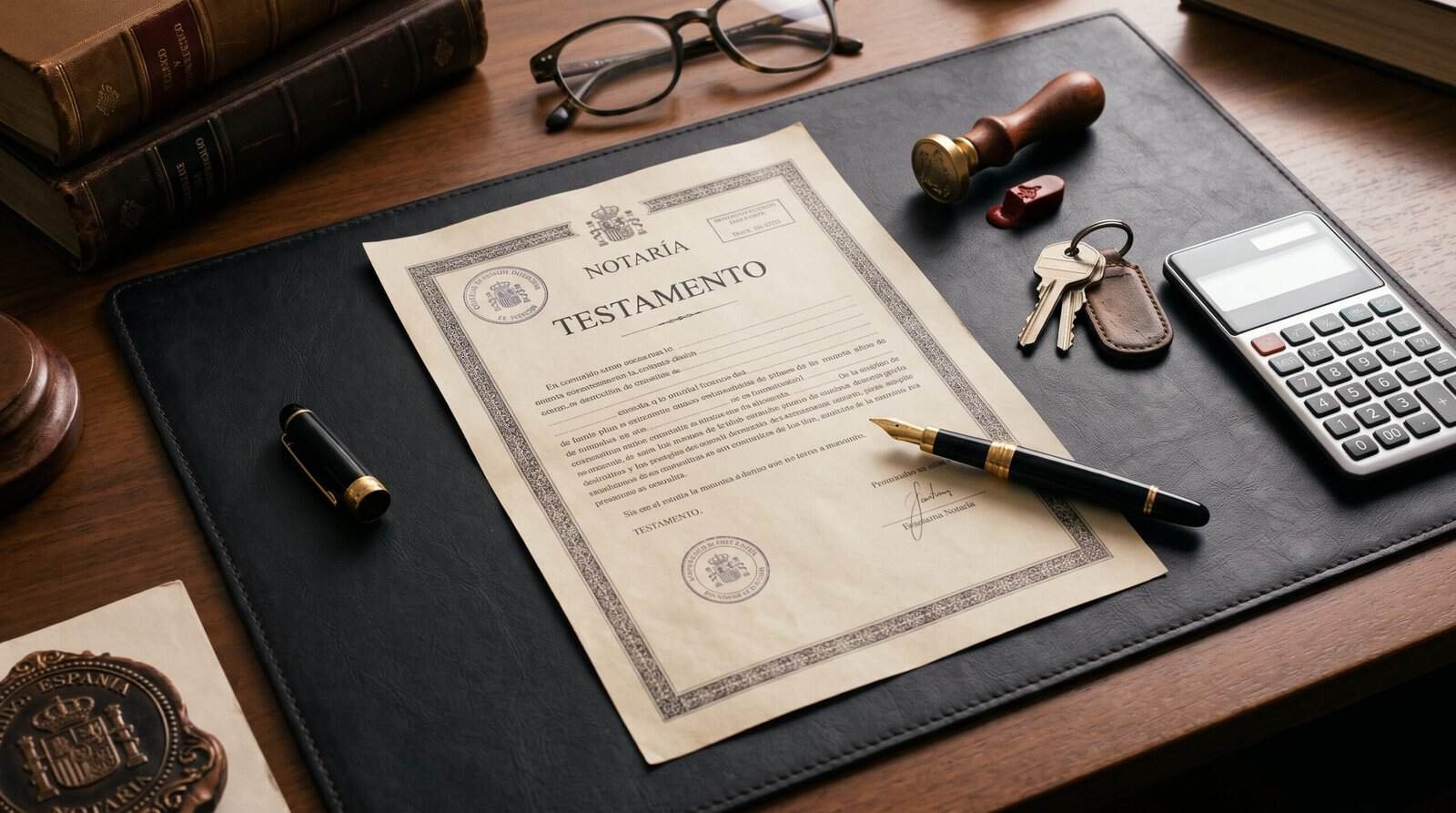
- The Solution: Every foreign buyer must draft a parallel Spanish Will that explicitly governs only their Spanish assets. This document is signed before a Spanish Notary and registered in the Central Registry of Last Wills in Madrid. It allows heirs to execute the Spanish inheritance immediately, independently of the foreign probate process.
2. The 6-Month Tax Deadline
In Spain, the tax liability falls on the heir (the beneficiary), not the estate of the deceased.
- The Deadline: Heirs have strictly six months from the date of death to declare and pay the Spanish Inheritance Tax (Impuesto de Sucesiones y Donaciones).
- Penalties: If the tax is not settled within this window, the Spanish Tax Agency (AEAT) applies aggressive surcharges ranging from 5% to 20%, plus daily late interest. If heirs cannot meet the deadline, their lawyer must file for a formal 6-month extension (prórroga) within the first five months.
- The Freeze: Until the inheritance tax is paid, the property remains legally frozen. Heirs cannot sell the villa,transfer the utility bills, or legally rent it out. Bank accounts held in Spain will also be completely frozen by the bank upon notification of death.
3. The Canary Islands Tax Advantage (The 99.9% Relief)
Historically, Spanish inheritance tax was punitive for non-residents. However, following key EU court rulings, non-resident heirs from the EU (and currently the UK, post-Brexit, under equal treatment treaties) are entitled to apply the regional tax rules of the Autonomous Community where the most valuable asset is located.
- The 99.9% Bonificación: For direct relatives (Group I and II: children, spouses, and parents), the Canary Islands currently offer a 99.9% tax relief on the final inheritance tax bill.
- The Reality: If a spouse inherits a €2,000,000 villa in Costa Adeje, the theoretical tax bill might be several hundred thousand euros. With the Canary Islands relief, they will pay less than a few hundred euros in actual tax.However, the complex tax declaration must still be filed flawlessly to claim this relief.
4. The Step-by-Step Execution Process
When the time comes to execute the inheritance, the heirs’ designated Spanish lawyer must complete the following bureaucratic sequence:
- Obtain Certificates: Secure the original Death Certificate (with Hague Apostille if issued abroad).
- Registro General de Actos de Última Voluntad: Request the Certificate of Last Will from Madrid to confirm the existence and location of the most recent Spanish Will.
- NIE Numbers: All inheriting beneficiaries must apply for a Spanish Foreigner Identity Number (NIE) if they do not already possess one, as taxes cannot be paid without it.
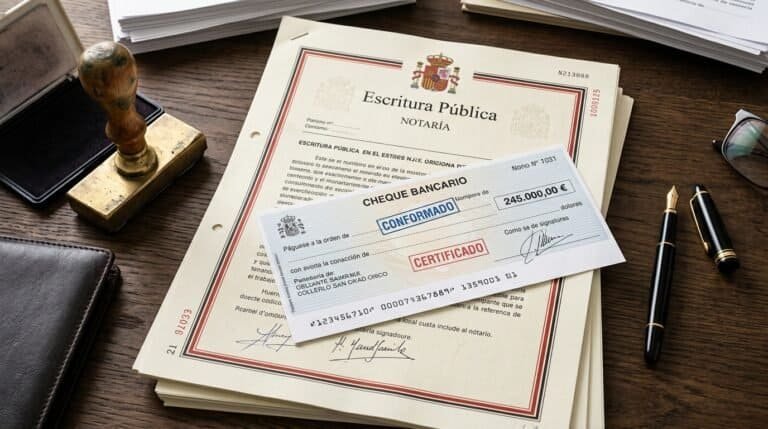
- Deed of Adjudication (Escritura de Adjudicación de Herencia): The heirs (or their lawyer via Power of Attorney) sign a new public deed before a Spanish Notary, officially accepting the inheritance and inventorying the assets (property, bank balances, vehicles).
- Tax Settlement & Registry: The lawyer presents the deed to the regional tax office, pays the (discounted) tax,and finally submits the new deed to the Land Registry (Registro de la Propiedad) to officially change the title deed into the heirs’ names.
Executing a Spanish inheritance from abroad is a severe administrative burden; establishing a localized Spanish Will upon property acquisition is the ultimate defensive strategy to protect your heirs from bureaucratic paralysis and unnecessary legal erosion of the asset.