Navigating the Festive Season in Costa Adeje: An Expat’s Logistical Guide

Relocating to South Tenerife fundamentally shifts the traditional winter holiday timeline. The festive season in Costa Adeje operates on a distinct Canarian rhythm, stretching well into January and blending Northern European expectations with deeply rooted Spanish traditions. For new residents, understanding the logistical shifts in premium hospitality, local administration, and public holidays is necessary to manage December and January efficiently.
Here is a practical breakdown of how the holiday period functions in South Tenerife and how it impacts daily routines,property management, and business operations.
The Extended Spanish Calendar
Unlike the UK or Northern Europe, the Spanish holiday calendar does not conclude immediately after New Year’s Day.The season is heavily weighted towards the first week of January, marked by a specific sequence of national public holidays (festivos nacionales).
- Nochebuena (December 24th): Christmas Eve is the primary family celebration for locals. While not a red-letter public holiday, commerce heavily adjusts. Independent shops, local businesses, and corporate offices typically close between 18:00 and 19:00 to allow staff to return home for dinner.
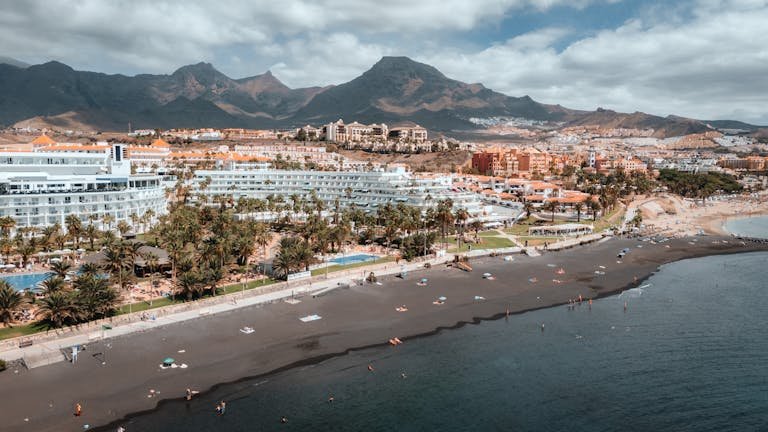
- Navidad (December 25th): A national public holiday. Large supermarkets, banks, and municipal offices are strictly closed. However, the hospitality sector in the tourist hubs of Costa Adeje (such as El Duque, Fañabé, and La Caleta) operates normally to cater to winter visitors.
- Nochevieja & Año Nuevo (December 31st & January 1st): New Year’s Eve follows the early-closing pattern of Christmas Eve for retail. January 1st is a strict national holiday.
- Día de los Reyes Magos (January 6th): Three Kings’ Day is the most significant date for Spanish families and the traditional day for exchanging gifts. January 6th is a national bank holiday, and almost all non-hospitality commerce will be shut.
Premium Dining and Reservation Protocols
December and January represent the absolute peak of the high season in South Tenerife. The hospitality infrastructure in prime areas operates at maximum capacity, driven by both international tourists and local residents.
Relying on walk-in availability for high-end dining during this period is generally unworkable. Securing a table for Nochevieja requires booking several weeks in advance. Premium venues routinely mandate a set holiday menu for this night and require a credit card hold or a partial pre-payment to confirm the reservation, protecting themselves against high-season cancellations.
If you are dining out on December 31st, expect the service to pause briefly at midnight for the las doce uvas de la suerte tradition. Patrons are given twelve grapes to eat in time with the twelve chimes of the clock, a practice observed universally across both local and international restaurants on the island.
Retail and Supermarket Logistics
For expats accustomed to 24/7 supermarket access in their home countries, the Spanish holiday retail schedule requires forward planning. Major supermarket chains operating in Tenerife, such as Mercadona and large HiperDino stores,strictly close on Sundays and national public holidays (December 25th, January 1st, and January 6th).
Furthermore, delivery slots for online grocery orders fill up rapidly in the week leading up to Christmas. Residents must provision their households ahead of the red-letter days. Smaller, independently owned convenience stores (supermercados express) in the immediate tourist zones often remain open on holidays, but carry a limited selection of premium goods.
The Administrative Slowdown
For expatriates managing property acquisitions, renovations, or residency paperwork, the festive season requires adjusted expectations regarding Spanish bureaucracy.
The civil service, including the Adeje Town Hall (Ayuntamiento), the Land Registry, and local Notary offices,experiences a significant operational slowdown. While they do not close entirely (except on national holidays), staff take their allocated annual leave between December 22nd and January 8th.
Structuring property completions, submitting complex tax filings, or waiting for municipal building licenses during this three-week window often results in structural delays. It is highly advisable to complete urgent legal transactions before mid-December or defer them until the second week of January when standard municipal operations fully resume.
Incorporating the Canarian holiday calendar into your winter planning prevents administrative friction and ensures your personal and financial logistics remain predictable.