
Phishing and Bank Fraud in Spain: The Landmark Ruling Forcing Banks to Refund Stolen Capital

For international investors routing substantial capital through Spanish bank accounts for real estate acquisitions or lifestyle management in Costa Adeje, the risk of sophisticated cyberattacks and phishing is a major vulnerability. Historically, the immediate reflex of Spanish financial institutions following an unauthorized transaction was to blame customer negligence, effectively refusing to reimburse the stolen funds.
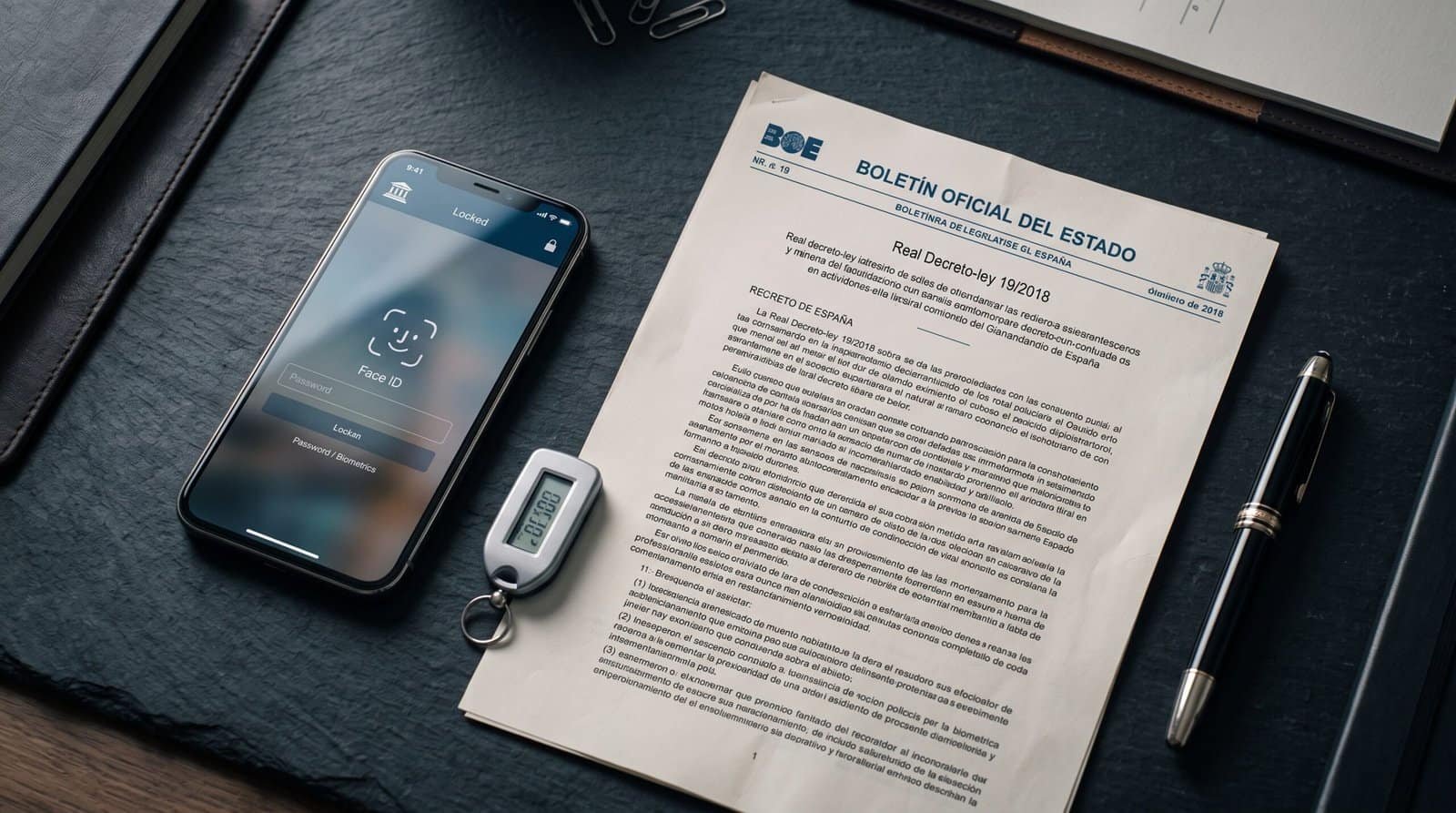
On October 15, the Court of Justice of the European Union (CJEU) issued a landmark ruling that radically alters this dynamic, forcing Spanish banks to strictly adhere to Article 45 of Real Decreto-ley 19/2018.
Here is the technical breakdown of your new reinforced rights as a banking client in Spain and the exact legal protocol to follow to recover your funds.
1. The Immediate Refund Rule (Money First, Investigation Later)
The fundamental shift mandated by the CJEU concerns the required order of operations when a client reports an unauthorized transaction.
- Mandatory Reimbursement: The bank is legally obligated to refund the exact amount of the unauthorized transaction immediately, and no later than the end of the following business day after you report the fraud.
- The End of the “Negligence” Excuse: Financial institutions can no longer use your presumed negligence (e.g., clicking a fraudulent link or being deceived by a cloned website) as a preliminary excuse to deny the initial restitution of your capital.
2. The Reversal of the Burden of Proof
This ruling completely shifts the financial risk and legal burden away from the consumer and onto the financial institution.
- The Bank Must Prove Gross Negligence: Only after the bank has returned your funds can they initiate an investigation to recover their loss. To legally reclaim the money from you, the bank bears the burden of proof to demonstrate unequivocally that you committed gross negligence (negligencia grave).
- Client Protection: You are no longer forced to initiate costly and lengthy litigation simply to retrieve your own frozen or stolen funds. The bank must pay first, and argue later.
3. The Sole Exception: Suspected Client Fraud
There is only one specific statutory scenario where a Spanish bank can legally refuse the immediate reimbursement of your capital.
- Reporting to the Banco de España: If the bank has serious, documented grounds to suspect that the fraud was committed by you (the account holder), they can halt the refund. However, the law mandates that they must formally communicate these justificatory reasons in writing directly to the Central Bank of Spain (Banco de España).
4. Action Plan: What to Do in Case of Phishing
If you detect an unauthorized transaction leaving your Spanish bank account, strictly follow this protocol to ensure compliance with the law:
- Immediate Notification: The legal prerequisite to benefit from the rapid restitution rule is to notify your bank without any delay the moment you realize the funds are missing.
- The Written Request: Do not rely solely on phone calls to customer service. Submit a formal notification in writing (via secure bank messaging, email to your branch manager, or a registered letter/burofax).
- Invoke the Law: In your written claim, explicitly demand the immediate restitution of the funds by invoking Article 45 of Real Decreto-ley 19/2018.
Safeguarding your liquid assets in Spain requires proactive legal awareness; by swiftly enforcing your rights under Article 45, you ensure your investment capital remains protected and force financial institutions to bear the immediate burden of cyber fraud.