
The LPO (Licencia de Primera Ocupación): The Document That Makes or Breaks Your Tenerife Investment

When auditing property files in Costa Adeje, international buyers often fixate on the title deed (Escritura) and the local property tax (IBI). However, a seemingly minor administrative document frequently paralyzes investments, blocks utility connections, and invalidates rental licenses: the Licencia de Primera Ocupación (LPO), also known as the First Occupation License.
In the Canary Islands, proving that you own a property is entirely separate from proving the property is legally habitable. Here is the technical breakdown of the LPO, why missing it destroys asset liquidity, and how to navigate the regularization process in 2026.
1. What is the Licencia de Primera Ocupación?
The LPO is an administrative resolution issued by the Adeje Town Hall (Ayuntamiento de Adeje). It certifies that a newly constructed or heavily renovated property strictly complies with the original architectural plans submitted for the building license, and that it meets all current health, safety, and habitability standards.
- The Legal Purpose: It shifts the status of a building from a “construction site” to a “legal dwelling.”
- The Expiration Reality: In the Canaries, older versions of this document (often called a Cédula de Habitabilidad) expired after 10 years and required renewal. Current LPOs are tied to the property’s structural integrity, but major renovations (Obra Mayor) legally mandate a renewed license.
2. The Utility Blockade (Water and Electricity)
The most immediate crisis triggered by a missing LPO involves basic utilities.
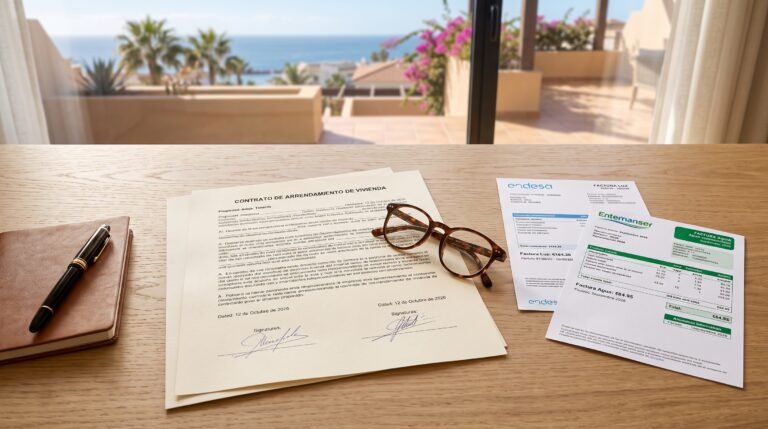
- The Endesa and Entemanser Mandate: Spanish supply companies (like Endesa for electricity and Entemanser for water in Adeje) operate under strict municipal directives. They are legally prohibited from establishing new supply contracts or upgrading electrical bulletins (Boletín Eléctrico) for a property that lacks a valid LPO.
- The Investor Risk: If you buy a distressed bank repossession or an older villa where the previous owner disconnected the supplies, you cannot turn the lights or water back on without presenting this municipal license.
3. The Vivienda Vacacional (VV) Barrier
For investors targeting short-term tourist yields, the LPO is the foundational gatekeeper.
- Canarian Tourism Law: To apply for a holiday rental license (Vivienda Vacacional) in 2026, the Canary Islands Ministry of Tourism requires you to upload the property’s valid LPO to the digital registry.
- Zero Workarounds: Without it, the system automatically rejects your VV application. You cannot legally market the property on Airbnb or Booking.com, instantly wiping out your projected short-term ROI.
4. How to Regularize a Missing LPO
Many older properties in the south of Tenerife (built before the 1990s) either never had an LPO or the physical document was lost by previous generations. Recovering or regenerating it is a highly technical procedure.
- Step 1: The Municipal Archive Search: Your legal representative must formally request a copy from the Adeje Town Hall urban planning archives. This can take weeks to process.
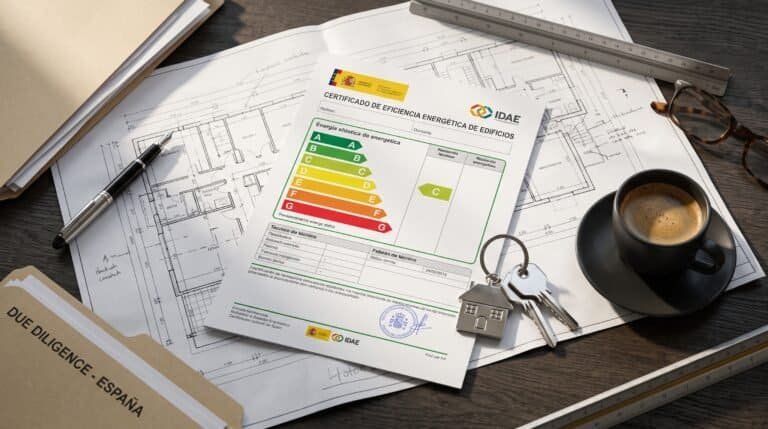
- Step 2: The Architect’s Habitability Certificate: If the original LPO never existed or the property was fundamentally altered, you must hire a collegiate architect to inspect the villa and issue a Certificado de Habitabilidad. This report proves the property meets modern safety codes.
- Step 3: The “Cédula” Application: Your technical team submits this certificate to the Town Hall to request the issuance of an equivalent habitability license, a process that can delay a purchase by 2 to 4 months.
Acquiring a high-end villa without a valid Licencia de Primera Ocupación is equivalent to buying a luxury car without the keys; mandating your legal team to secure this document during the initial due diligence phase is non-negotiable to protect your utility access and rental yields.